
Vending machine finance & loans — Australia wide

Equipment finance library

Equipment finance types, explained in plain English

Chattel mortgage, secured loan, commercial hire purchase, finance lease, capital lease, operating lease or rental — here is how each structure works for vending machines and other business equipment, and who each one suits.

Australian business owner beside a vending machine they own outright under a chattel mortgage

Chattel mortgage

A chattel mortgage is an Australian commercial equipment loan where your business takes legal ownership of the asset immediately. The financier secures the loan by placing a charge on the Personal Property Securities Register (PPSR) until the loan, including any balloon payment, is fully repaid.

Read the guide

Business owner reviewing secured equipment loan paperwork in a workshop

Secured loan agreement

A secured business loan is a commercial facility where a lender advances capital to purchase equipment or finance growth, using the asset or existing business property as collateral via a PPSR registration. The borrower takes legal title immediately, enjoying operational control while making structured monthly principal and interest repayments.

Read the guide
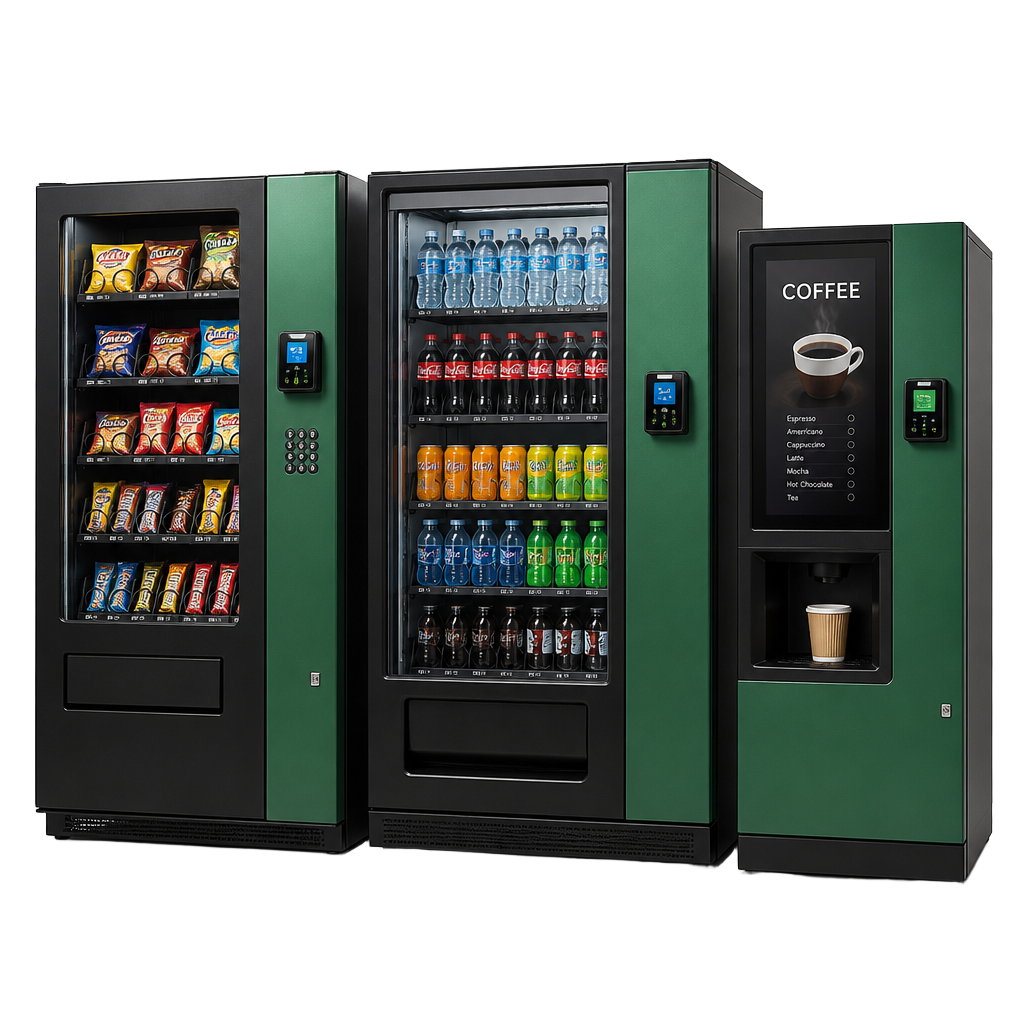
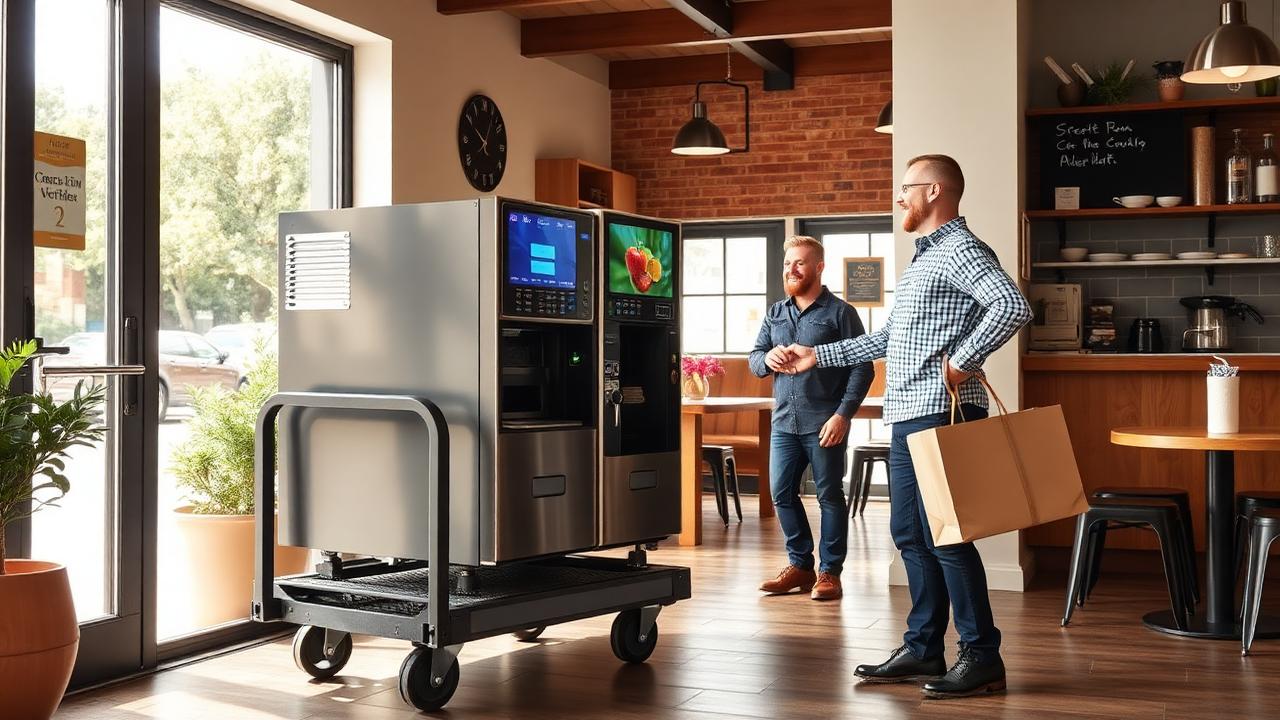
Vending and coffee equipment delivered to an Australian cafe under commercial hire purchase

Commercial hire purchase

A Commercial Hire Purchase (CHP) is an Australian equipment finance structure where a lender buys equipment and hires it to a business for fixed monthly payments. The business gains immediate operational use, while legal title transfers automatically upon payment of the final installment or balloon amount.

Read the guide
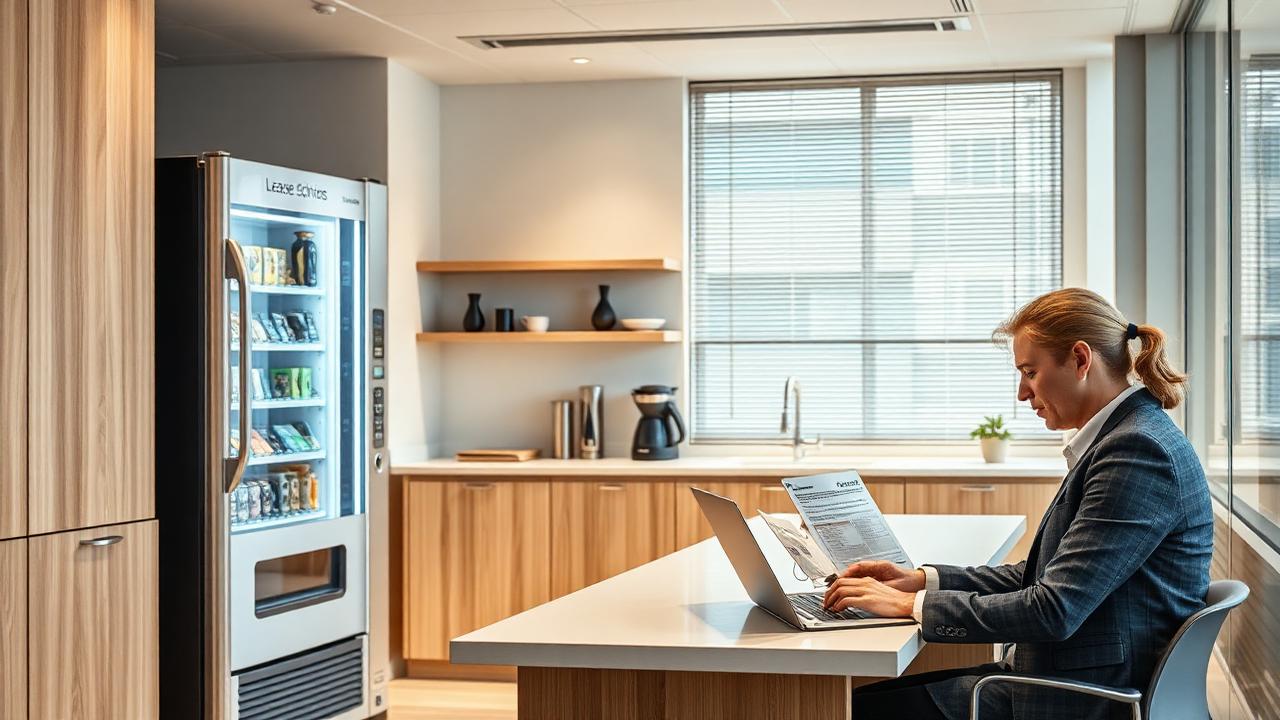
Office kitchen vending machine with a finance lease schedule open on a laptop

Finance lease

An Australian finance lease is an agreement where a financier buys equipment and leases it to your business for a fixed monthly fee over a set term. The lender retains legal ownership while you get full use of the asset. At term end, you can pay the residual value to own it, refinance, or upgrade.

Read the guide
Finance manager reviewing capital lease balance sheet treatment for vending equipment

Capital lease

A capital lease is a commercial equipment finance agreement where a business gains full operational use of an asset while recognizing both the right-of-use asset and lease liability on its balance sheet under AASB 16. The lender holds legal title during the term, while the business manages operational risks, repairs, and repayments.

Read the guide
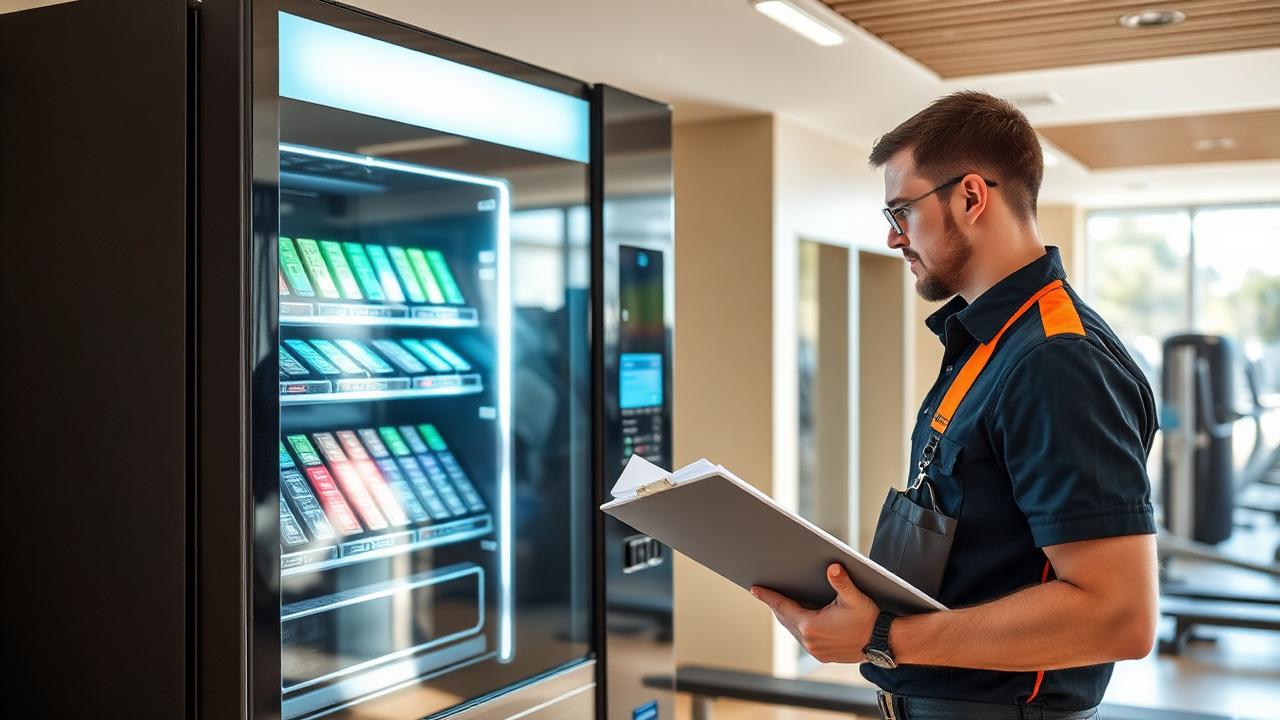
Technician servicing a vending machine supplied under an operating lease

Operating lease

An operating lease is an Australian equipment finance facility where a financier buys equipment and rents it to your business for a fixed term. You make regular rental payments, while the lender retains ownership and residual risk. At term end, you can return the asset, upgrade, or extend the lease.

Read the guide
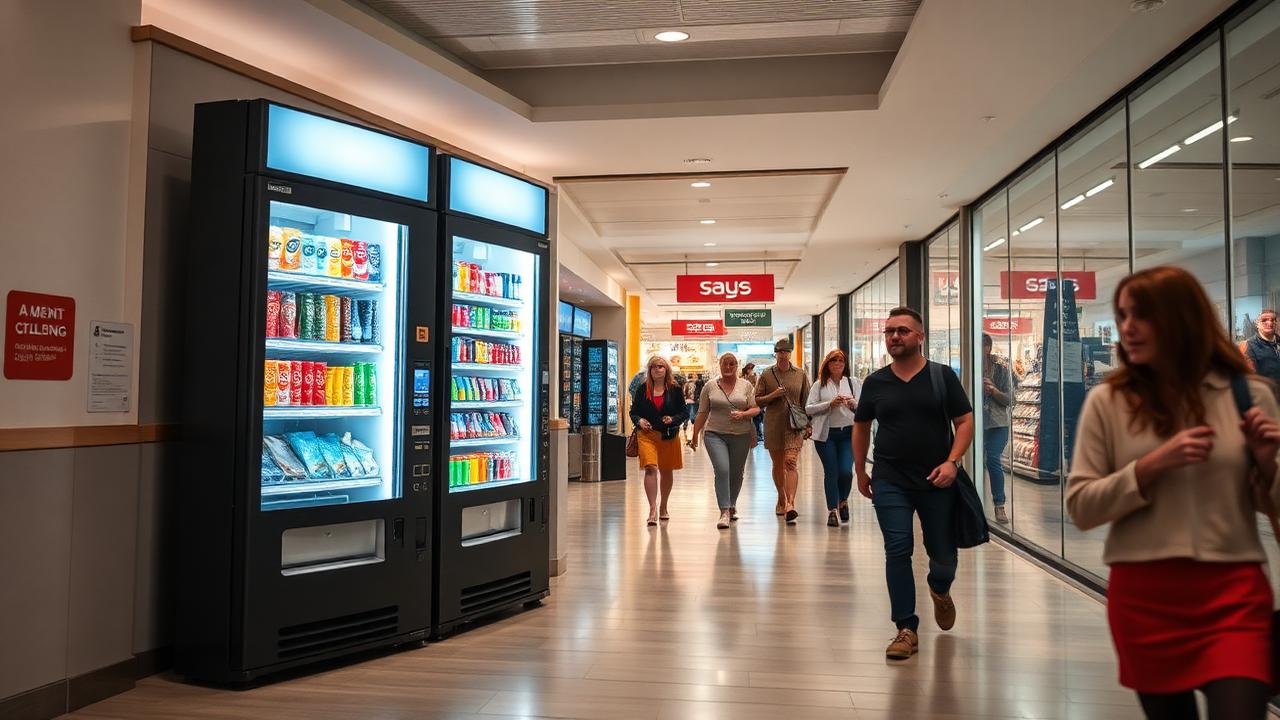
Vending machines installed in a shopping centre under a short-term rental agreement

Rental agreement

An equipment rental agreement lets Australian businesses use commercial equipment for a set term without purchasing it upfront. The financier owns the asset while you pay tax-deductible rental installments. At term end, you can upgrade, return, or extend the agreement, providing maximum cash flow flexibility.

Read the guide

By state and territory

Localised guidance for every structure — regional industries, typical placements and the questions lenders ask in your state.

Chattel mortgage

Secured loan agreement

Commercial hire purchase

Operating lease

Rental agreement

General information only, not financial, credit or tax advice. VendingFinance is a referral marketplace, not a lender or broker. Lenders set their own criteria, rates and terms, and no approval is guaranteed. Talk to your accountant about how any structure affects your tax position.