
Northern Territory · Maximum flexibility, no obligation to buy
Rental agreement in Northern Territory
An equipment rental agreement in the Northern Territory allows businesses to use commercial equipment for predictable monthly payments without owning the asset. This structure preserves working capital, offers potential tax deductibility, and provides flexible end-of-term options to upgrade, purchase, or return equipment suited to NT conditions.
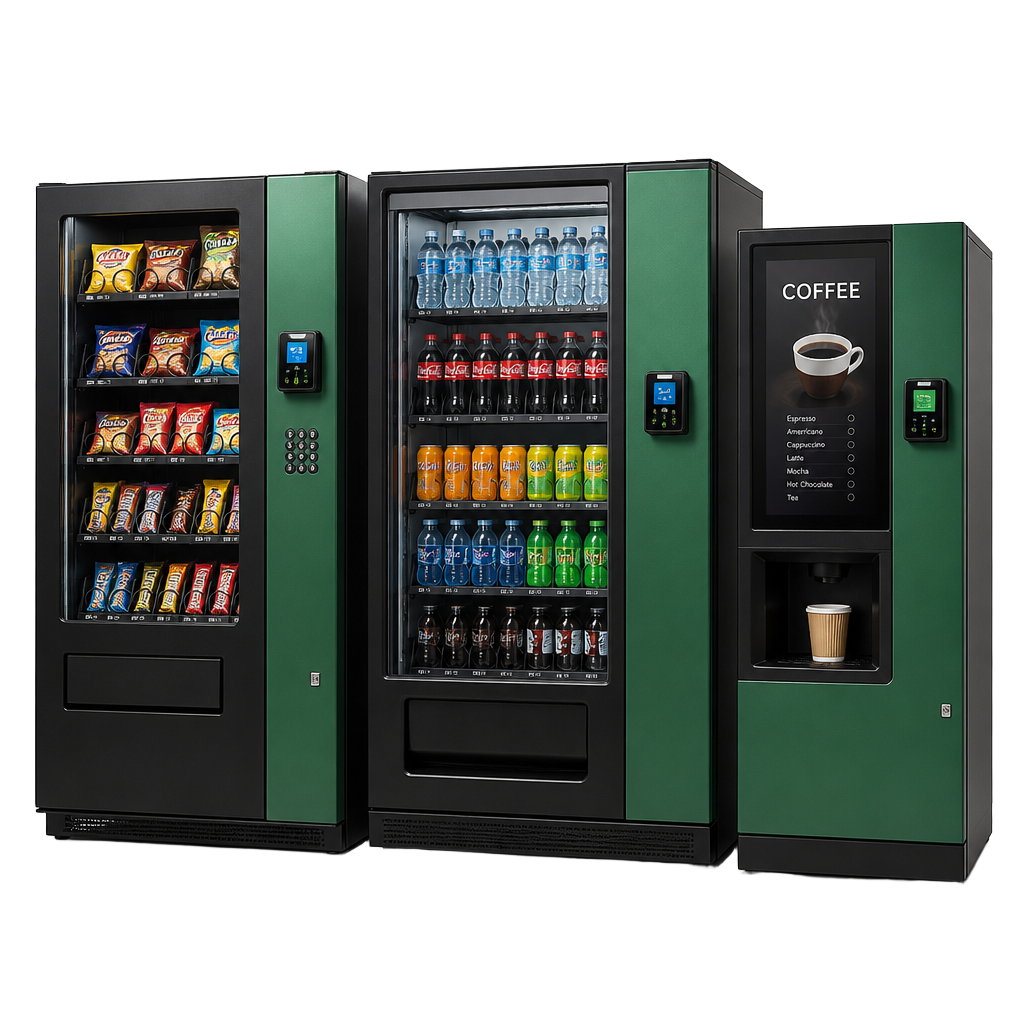
Operating a business across the Northern Territory presents unique operational challenges, from navigating the Top End Wet season to managing long supply chains in Alice Springs and Katherine. An equipment rental agreement NT provides Territory businesses with a flexible, off-balance-sheet financing solution to install revenue-generating assets without upfront capital expenditure. Whether you operate vending contracts across Darwin defence bases, self-serve coffee machines in Palmerston retail hubs, or specialized workshop gear in Tennant Creek, renting keeps your working capital intact while delivering modern, reliable commercial equipment.
Understanding Equipment Rental Agreements in the NT
An equipment rental agreement allows NT operators to lease essential business assets for a fixed term—typically 24 to 60 months—in exchange for regular rental payments. Unlike traditional chattel mortgages or commercial loans, rental agreements focus on equipment usage rather than ownership. Because the funder retains ownership, rental payments are generally treated as operating expenses (OpEx), which may provide tax advantages depending on your accounting structure. This makes renting particularly attractive for fast-depreciating or technology-dependent machinery like micro-markets, automated coffee systems, and digital vending units operating in harsh tropical or arid environments.
Key Applications Across Territory Industries
Territory businesses across diverse sectors utilize rental structures to deploy income-producing assets quickly while keeping balance sheets lean:
- Vending & Micro-Markets: Placing combo snack, drink, and fresh food units in East Arm industrial sites, Palmerston shopping centres, and Darwin health precincts.
- Commercial Coffee Systems: Installing bean-to-cup coffee machines in Alice Springs hotels, Katherine service stations, and regional council offices.
- PPE & Safety Dispensers: Deploying automated personal protective equipment lockers on remote Barkly mining sites and Tennant Creek civil works projects.
- Workshop & Hospitality Gear: Equipping catering kitchens, mechanical workshops, and trade service fleets across Greater Darwin.
What Panel Lenders Look For in NT Applicants
Lender panels reviewing Northern Territory finance applications assess specific risk factors unique to regional and remote trading. Key evaluation criteria include:
- ABN & Trading History: Active ABN registration, ideally with 12 to 24 months of consistent trading history in the NT.
- Site Agreement Stability: Confirmed placement agreements or long-term host site contracts for automated vending and coffee units.
- Cash Flow Management: Demonstrated capability to navigate seasonal fluctuations, such as the Top End Wet season or Central Australian tourism cycles.
- Credit Profile: Clean commercial credit history for the trading entity and personal guarantees from company directors.
End-of-Term Options for Territory Operators
As your rental agreement nears completion, you have multiple pathways to suit your evolving business strategy:
- Upgrade Equipment: Return the existing units and start a new rental agreement for modern, energy-efficient machines with updated payment technology.
- Purchase the Asset: Offer to buy the equipment at fair market value if the machinery remains highly profitable and well-maintained.
- Extend the Term: Continue renting the equipment on a month-to-month or extended lease basis at reduced rates.
- Return the Asset: Hand back the equipment to the funder with no ongoing liability, provided return conditions are met.
What lenders look at in Northern Territory
A NT worked example
A Darwin logistics operator adds three smart combination vending machines to high-traffic staff lunchrooms in East Arm to serve 24-hour shift workers. Rather than depleting cash reserves, they sign a 36-month equipment rental agreement at $650 per month per unit ($1,950 total monthly rental). Rent payments are fully deductible as operating expenses for tax purposes. At the end of the 36-month term, the operator elects to upgrade to newer models with upgraded contactless payment terminals, maintaining modern site amenities without any disposal hassle or capital tie-up.
Illustrative only. We are a referral marketplace, not a lender or broker — lenders set their own criteria, rates and terms, and no approval is guaranteed.
Run the numbers
NT questions we get asked
Can I secure an equipment rental agreement with seasonal NT cash flow?
Yes. Seasonal downturns, such as the Wet season in the Top End, are standard considerations for lenders evaluating NT applications. Demonstrating cash flow buffers or seasonal revenue patterns helps lenders structure appropriate terms.
What documentation is required for an NT equipment rental agreement?
Lenders typically evaluate your ABN trading history (often 12–24 months), monthly bank statements, site lease agreements or host contracts, and credit profiles for business directors.
Are rental payments tax-deductible for Northern Territory businesses?
Typically, yes. Rental payments are generally classified as operating expenses and can usually be claimed as a tax deduction, provided the equipment is used to generate assessable income. Always verify with your accountant.
What happens when my rental agreement ends?
At the end of your contract, you can return the equipment with no further obligation, roll over into a new agreement with updated machinery, or request to buy the assets at fair market value.
Next steps
Rental agreement in other states
Ready to see what NT lenders can do?
Five-minute enquiry, no obligation. We pass your details to lenders who fund vending and equipment purchases and may receive a commission if a deal proceeds.
Secure yourRent to Own
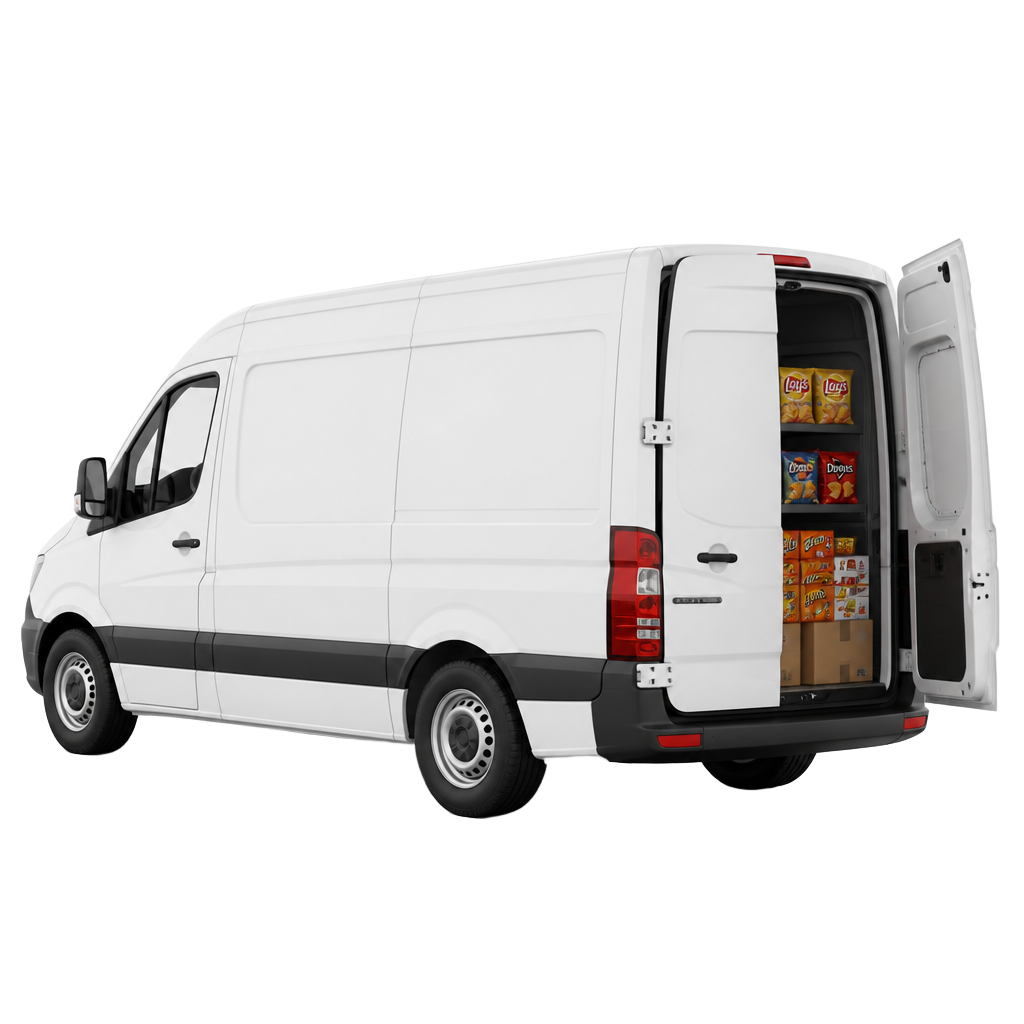
Get vending machines on the road now and own them at the end of the term. New and established operators, Australia-wide — no financials required in many cases.
0% down options
Instant approval for qualified fleets