
Tasmania · Maximum flexibility, no obligation to buy
Rental agreement in Tasmania
An equipment rental agreement TAS allows Tasmanian businesses to rent commercial equipment—such as vending machines, coffee units, and catering gear—for fixed monthly payments. The financier retains ownership, helping operators preserve cash flow, upgrade tech easily, and claim tax deductions without upfront capital expenditure.
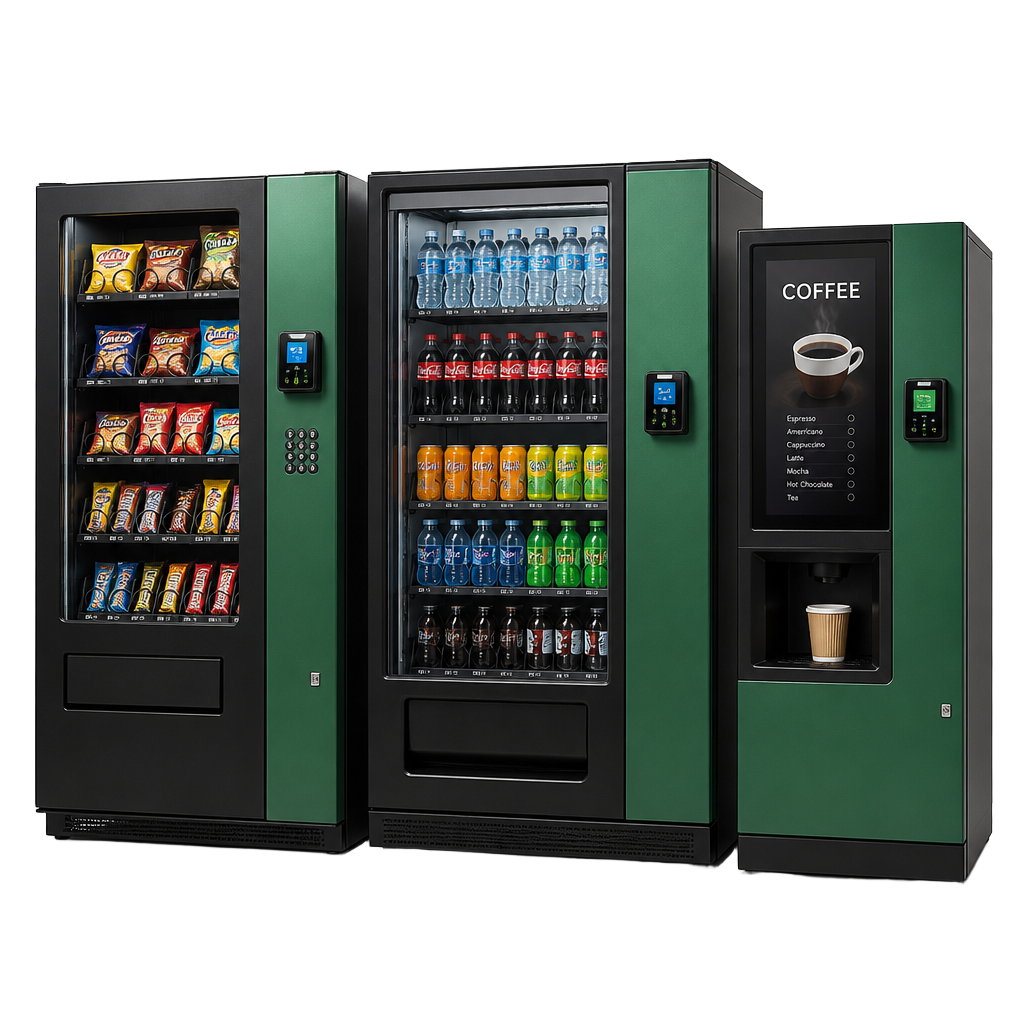
Tasmanian businesses operating across Hobart, Launceston, and the North West Coast frequently use an equipment rental agreement TAS structure to deploy revenue-generating assets without tying up capital. Whether funding smart vending machines in hospital corridors or commercial kitchen kit along Salamanca Place, rental agreements offer flexible, off-balance-sheet financing. VendingFinance.com.au connects Tasmanian operators with specialized lenders offering competitive rental solutions tailored to local tourism, hospitality, and healthcare sectors.
How Equipment Rental Agreements Serve Tasmanian Operators
Tasmanian enterprises rely on equipment rental agreements to acquire essential machinery without risking cash reserves. This structure works exceptionally well for income-generating assets like smart combination vending machines, automated coffee stations, PPE dispensers, and commercial kitchens. In regions like Burnie and Devonport, heavy industry and maritime logistics hubs utilize rental agreements to place automated supply units on-site. By renting rather than buying, Tasmanian companies adapt swiftly to seasonal demand fluctuations driven by tourism peaks and agricultural harvests across the island.
Lender Evaluation & PPSR Requirements in Tasmania
Panel lenders evaluating TAS rental applications focus on operational viability and asset placement. Lenders assess ABN registration, trading history, and the physical location of the asset—whether in high-footfall sites like Hobart private hospitals, Launceston educational campuses, or Ulverstone manufacturing plants. Security interest is registered on the Personal Property Securities Register (PPSR) against the asset itself. Because the financier maintains title, approval criteria are often more flexible for growing Tasmanian businesses or multi-site vending operators expanding their footprint.
End-of-Term Options for TAS Businesses
At the conclusion of an equipment rental agreement in Tasmania, operators enjoy several flexible choices. You can return the equipment to the funder and upgrade to modern, high-efficiency models, extend the rental term at reduced rates, or make an offer to purchase the equipment at fair market value, subject to financier consent and ATO guidelines. This end-of-term adaptability ensures local businesses avoid technological obsolescence and costly asset disposal.
Tax Considerations & Getting Started in TAS
Choosing an equipment rental agreement offers distinct financial benefits for Tasmanian businesses compared to chattel mortgages or commercial loans. Rental payments are typically deductible as operating expenses, though tax outcomes depend on your entity structure and accounting practices. Before signing, use our free repayment calculator to model monthly expenses, then apply online or call 0412 025 552. VendingFinance.com.au is a free referral marketplace connecting you with suited Australian equipment lenders.
What lenders look at in Tasmania
A TAS worked example
A Hobart cafe operator near Salamanca Place acquires three commercial espresso machines and two cold drink vending units using an equipment rental agreement TAS structure worth $30,000. Under a 36-month term, the business pays $980 monthly as a fully deductible operating expense. Because the lender retains ownership, the equipment stays off the balance sheet under traditional operating lease guidelines. At the end of the term, the operator upgrades to the latest energy-efficient models to cater to peak tourist season traffic, returning the older assets without dealing with depreciation or disposal logistics.
Illustrative only. We are a referral marketplace, not a lender or broker — lenders set their own criteria, rates and terms, and no approval is guaranteed.
Run the numbers
TAS questions we get asked
Can Tasmanian businesses upgrade or add extra machines mid-term?
Yes, equipment rental agreements in Tasmania generally allow businesses to add extra vending, coffee, or catering units to an existing agreement or initiate a master rental facility as site footprints expand.
How does a rental agreement affect my business balance sheet in TAS?
Because the financier retains title, rental payments are usually recorded as operating expenses rather than capital liabilities. However, accounting treatments vary under AASB 16, so consult a qualified Tasmanian accountant to confirm your business impact.
What documentation is needed for Tasmanian vending rental approval?
Most panel lenders evaluate active ABN status, basic trading history, site location stability, and projected cash flows. Start-up operators can often secure approval by providing personal guarantees or proof of site contracts.
Who is responsible for servicing and repairs during the rental period?
If a rental unit experiences technical faults, maintenance responsibilities depend on the agreement terms. Many rental structures allow operators to bundle service and maintenance packages directly into the monthly rental payment.
Next steps
Rental agreement in other states
Ready to see what TAS lenders can do?
Five-minute enquiry, no obligation. We pass your details to lenders who fund vending and equipment purchases and may receive a commission if a deal proceeds.

Secure yourRent to Own
Get vending machines on the road now and own them at the end of the term. New and established operators, Australia-wide — no financials required in many cases.
0% down options
Instant approval for qualified fleets