Rent-to-own · Equipment & logistics
Rent-to-Own Vending Equipment
Vending isn't just machines. Card readers, telemetry, the van that services the run and the route you're buying can all be funded — new, used or refurbished, one item or a fleet.
Cashless readers, in bulk
Ten readers or two hundred. Parcels of Nayax, card-and-tap terminals and QR gateways funded as their own asset class.
Telemetry & remote monitoring
Stock levels, faults and sales data pushed to your phone. Fewer wasted drives, and the data lenders like to see.
Service vans & pantechs
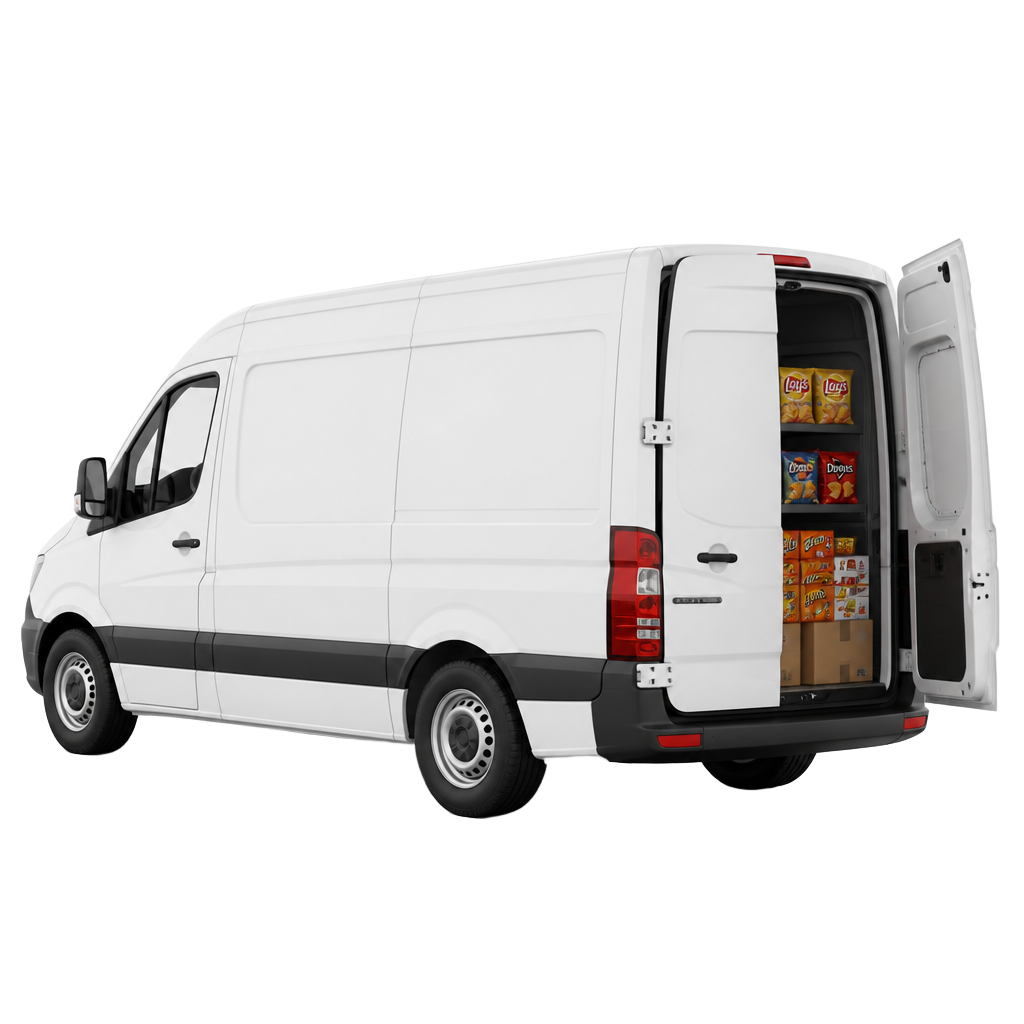
A van, or a small pantech with a tailgate loader so you install and relocate machines yourself.
Machines — new, used, refurbished
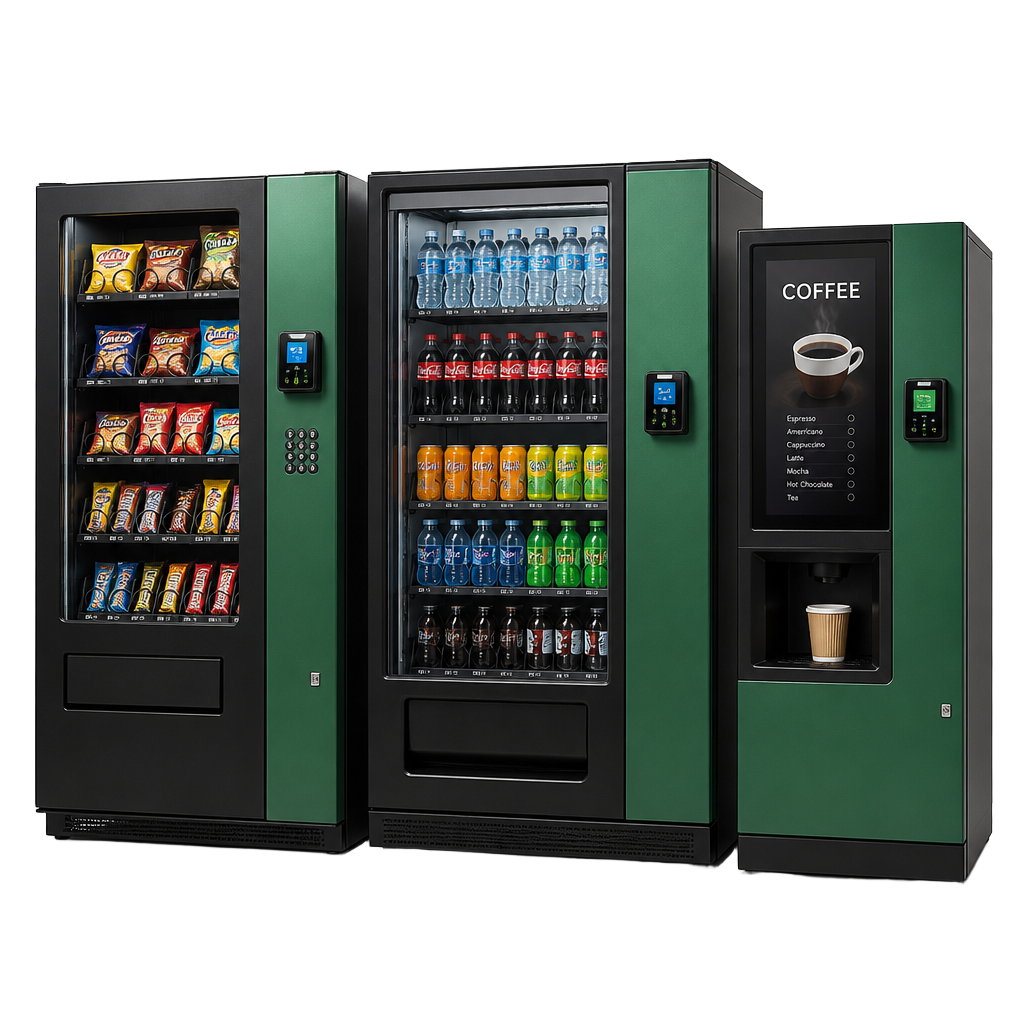
Drink, snack, combo, coffee, food, PPE, ATMs and micro markets at every price point.
Sited machines & full routes
Buying a single sited machine or an operator's whole run as they sell down.
Rent-to-own covers the whole operation, not just the machine
Most vending finance pages talk about one thing: a machine. In practice, the money an operator needs is spread across the whole operation. The machine earns the revenue, but the card reader collects it, the telemetry tells you when to restock, and the van gets you there. Any of those can be structured as a rental with an option to buy, so the equipment pays for itself out of takings instead of out of savings.
Rent-to-own suits vending for the same reason it suits most route-based businesses: the asset generates cash from week one. Instead of finding several thousand dollars per machine up front, you pay a regular amount over an agreed term and take ownership at the end, usually for a nominal or pre-agreed purchase figure. What matters is knowing the total of all payments — not just the weekly number — before you sign.

Cashless payment: parcels of card readers, and brand changeovers
Cash is no longer the majority of vending revenue in Australia, and a machine without a tap-and-go reader loses sales it never records. If you're fitting readers across an existing fleet, you're not buying one device — you're buying a parcel of ten, fifty or two hundred, plus the SIM or gateway plan behind them.
Parcels like that are commonly funded as equipment in their own right. Because each unit is low value, lenders look at the total parcel and your trading position rather than individual devices. That makes a fleet-wide rollout a single decision instead of a drawn-out drip of small purchases.
Changeovers are just as common. Operators move brands for better service response, better telemetry, or transaction fees that are a fraction of a percent lower — which, across thousands of taps a month, is real money. Finance can fund the new hardware; it can't cancel your existing contract. Before you switch, check the remaining term on your current agreement, any early exit fee, whether the gateway plan is separate, and how much downtime the swap costs across the fleet.
Telemetry: the upgrade that pays for itself in fuel
Remote monitoring tells you what sold, what's nearly out and what's faulted — before you drive. For regional routes especially, cutting even one unnecessary 90-minute round trip a week changes the economics of the whole run. Telemetry hardware and its subscription can be built into a facility alongside the machines it monitors.
There's a second benefit: data. An operator who can show per-machine sales history is a far easier proposition for a lender when it's time to fund the next ten machines.
Vans, pantechs and the tailgate loader argument
Servicing a run out of a car works until it doesn't. A van gives you stock capacity, lockable security and a professional look at the site. A small pantech goes further: fitted with a tailgate loader, you can move machines yourself.
That's the part operators underestimate. Every install, every relocation and every swap-out otherwise means booking a vending transport company and working to their schedule. With a tailgate you install when the site is free, pull a machine out of an underperforming location the same week you decide to, and take on placements you'd otherwise decline. Vehicles, bodies and loaders are financed routinely, and the vehicle can sit in the same facility as the machines it services.
New, used and refurbished machines — indicative price bands
Price points vary enormously. A tidy used or refurbished snack, drink or combo unit can start around $1,800 to $5,000+. New smart fridges and smart coolers typically land between $8,800 and $15,000. New pizza vending machines start around $25,000. A new combination machine with a modern reader is a different purchase again, and all of these are financeable.
Used equipment simply gets more scrutiny: age, hours, condition, whether it's cashless-ready and how saleable it would be second-hand if things went wrong. Refurbished units from an established supplier usually present better than an unknown private sale, because there's a service history and often a warranty. Whatever you're buying, collect the make, model, year and serial numbers before you apply — it's the single biggest cause of delay we see.
Existing sited machines and complete routes
Some of the best buying comes from other operators selling down: a single machine with a good site attached, a cluster in one suburb, or an entire route with a book of sites. The appeal is obvious — you're buying proven takings rather than hoping for them.
The diligence is where deals live or die. Ask for at least twelve months of takings per machine, confirm whether site agreements actually transfer or are personal to the seller, check the asset list against serial numbers on the day, and run a PPSR search so you don't inherit someone else's security interest. Then work the numbers: takings minus stock, minus commissions, minus fuel and time, against the repayment.
Free download
The Vending Machine Finance Checklist
Four pages of A4: how to self-qualify, what to pin down about the machine and the cashless reader, the site numbers lenders ask about, and the contract terms worth reading twice. Print it, or email it to your accountant.
How the process works
- List what you actually need — machines, readers, telemetry, vehicle, or a route.
- Estimate the repayment and check the takings cover it using our calculators.
- Apply online in about five minutes. We match your list to lenders that fund those assets.
- You compare what comes back, then decide. There's no obligation at any point.
Frequently asked questions
Can I rent-to-own a bulk order of card readers, not just machines?
Yes. Parcels of cashless readers — 10, 50, 200 units — are commonly funded as equipment in their own right, either on a rental with a purchase option or bundled into a facility alongside machines. Because readers are low-value per unit, lenders usually look at the total parcel value and your trading history rather than each device.
I want to switch card reader brands. Can finance cover the changeover?
Often yes. The new hardware is the financeable asset. What finance can't do is cancel your existing reader contract, so check your current agreement's remaining term, any early exit fee and whether the SIM or gateway plan is separate before you commit.
Can I finance a van or a small pantech with a tailgate loader?
Motor vehicles and light commercials are financed routinely, including a pantech body and a tailgate loader as part of the same asset. A tailgate changes the job: you can install and relocate machines yourself instead of paying a vending transport company each time.
Is used or refurbished equipment eligible?
Generally yes, though used equipment is scrutinised more closely — age, condition, whether it's cashless-ready and how saleable it would be second-hand. Refurbished units from a reputable supplier usually present better to a lender than an unknown private sale.
Can I finance an existing sited machine, or a whole route, from another operator?
Sited machines and complete routes are financed, but the paperwork matters more. Lenders want to see the asset list with serials, evidence of takings, whether the site agreements transfer, and a PPSR check showing nothing is already encumbered.
Do you lend on this yourselves?
No. Vending Finance is a referral service — we match your equipment list and situation with lenders who fund that type of asset. We're not a lender or a broker, we're not privy to each lender's internal criteria, and we can't guarantee a loan, lease or rental.
Know what you need? Send us the list.
Machines, readers, telemetry, a van, or a route you're buying — tell us what's on the list and we'll point you at the lenders who fund it. We're a referral service, not a lender, and we can't guarantee approval.
Sources & further reading
Every figure and rule on this page can be checked against a primary source. Links open the publisher's own page so you can verify it yourself.
- Australian Taxation Office — GST and hire purchase
How GST is treated on hire purchase and similar equipment finance arrangements. Checked August 2026.
- Australian Taxation Office — Car limit and depreciation of motor vehicles
Why a route van is treated differently from a vending machine. Checked August 2026.
- Australian Financial Security Authority — Personal Property Securities Register
Checking whether second-hand equipment or a vending route carries an existing security interest. Checked August 2026.
- ACCC — Unfair contract terms
Small business protections when reviewing a finance or site contract. Checked August 2026.
Secure yourRent to Own
Get vending machines on the road now and own them at the end of the term. New and established operators, Australia-wide — no financials required in many cases.
0% down options
Instant approval for qualified fleets