Finance info
Vending Machine Lease & Rent-to-Own Australia
Compare leasing, rental and rent-to-own structures for vending machines — preserve your working capital, keep repayments predictable, and choose whether you own the machine at the end.
Not every operator wants to own their vending machines outright from day one. Leasing, rental and rent-to-own structures let you get equipment working and earning while spreading the cost — often without a large upfront outlay. Each structure treats ownership, end-of-term options and tax differently, so the right choice depends on your cash flow and your plans for the equipment.

Lease vs rent-to-own vs chattel mortgage
These three structures are often confused, but they differ in who owns the machine and what happens at the end of the term:
- Finance lease — the lender owns the machine and leases it to you for a fixed term. At the end you may be able to purchase it, extend, or return it.
- Rental / operating lease — you pay to use the machine for a set period with no obligation to buy. Often the lowest commitment and easiest to upgrade from.
- Rent-to-own — rental payments contribute toward eventual ownership, so the machine becomes yours at the end of the term.
- Chattel mortgage — you own the machine from day one and the lender takes security over it. Usually the structure operators choose when they want ownership and the asset on their books.
Why operators choose leasing or rent-to-own
Leasing and rent-to-own suit operators who want to protect working capital or stay flexible on equipment:
- Little or no large upfront payment, so cash stays in the business for stock and sites
- Fixed, predictable repayments that are easy to match against machine takings
- Easier to upgrade or swap equipment as technology and site needs change
- Useful when you're testing a new site or product type before committing to ownership
- Can allow you to place more machines sooner than buying outright would
Rent-to-own: how it works in practice
With rent-to-own vending machines, you make regular rental payments over an agreed term and the machine transfers to your ownership at the end — either automatically or via a final payment, depending on the agreement. It's a middle ground between pure rental and buying outright: you get the low-commitment start of a rental with the ownership outcome of a purchase. The total cost over the full term is generally higher than buying with a chattel mortgage, so it's worth comparing both before deciding.
End-of-term options
What happens at the end of the term is the most important thing to check before signing:
- Purchase the machine for an agreed residual or balloon amount
- Extend the agreement, often at a reduced payment
- Return the equipment and upgrade to a newer machine
- Take automatic ownership, where the agreement is a true rent-to-own
Tax treatment — get advice specific to you
Lease, rental and chattel mortgage arrangements are treated differently for tax and GST, and the difference can be significant. Depending on the structure, payments may be deductible as an operating expense, or you may claim depreciation and interest instead and account for GST at purchase. What applies to you depends on your structure, turnover, GST registration and how the equipment is used. We can explain how each finance structure works, but we are not tax advisers — please confirm the treatment for your circumstances with your accountant before you commit.
Which structure should you choose?
If you want to own the machine long-term and it will hold its value, a chattel mortgage is often the most cost-effective route. If you want minimum commitment, expect to upgrade, or are testing a site, a rental or lease may suit better. If you want low commitment now but ownership eventually, rent-to-own bridges the two. Tell us your plans for the equipment and we'll walk you through the options and what each would cost.
Frequently asked questions
Can I lease a vending machine in Australia?
Yes. Finance lease, rental and rent-to-own structures are all available for vending machines in Australia, for new and used equipment. We can compare structures across our lender panel and explain how each would work for your operation.
What's the difference between a vending machine lease and rent-to-own?
With a lease, the lender owns the machine and you pay to use it for a fixed term, with purchase usually an option at the end. With rent-to-own, your payments are structured so the machine becomes yours at the end of the term. Rent-to-own is aimed at ownership; a lease keeps your options open.
Is a vending machine lease tax deductible?
Lease and rental payments are often treated as a deductible business expense, while a chattel mortgage instead lets you claim depreciation and interest and handle GST at purchase. The right answer depends on your business structure and GST position, so please confirm your specific treatment with your accountant — we can explain the finance structures but don't give tax advice.
Do I need a deposit to lease a vending machine?
Often no large deposit is required, which is one of the main reasons operators choose leasing or rental. Requirements vary by lender and by your business profile — call us and we'll tell you what's realistic for your situation.
Can I rent-to-own a used vending machine?
In many cases yes, though lenders assess used equipment on age and condition and terms may be shorter than for new machines. Let us know the machine you're looking at and we'll check what's available.
Can I upgrade my machine partway through a lease?
Often yes — upgrading mid-term is one of the advantages of leasing and rental. The specifics depend on your agreement and how far through the term you are. We can structure finance with upgrades in mind if you expect to change equipment.
Ready to get started?
Apply online now — it only takes five minutes and there's no obligation. Or call us to chat through your options.
Quick repayment estimator
Pick a machine type, set your budget and term for an indicative weekly repayment range.
Typical for this type: $3,500 – $25,000
Terms available: 24 – 84 months.
Indicative weekly repayment
$59 – $70
- Amount financed
- $12,000
- Term
- 60 months
- Rate band used
- 10.0% – 18.0% p.a.
- Mid-band monthly
- $279
- Mid-band total of payments
- $16,753
Assumptions
- Principal and interest over the full term, paid monthly and shown weekly (÷ 52).
- No balloon or residual, no deposit and no trade-in applied.
- Rate band 10.0% – 18.0% p.a., reviewed August 2026.
- Excludes establishment and account-keeping fees, insurance, GST treatment, freight, installation, stock and early payout costs.
Estimates only — not a quote, offer or credit assistance, and not tax or financial advice. VendingFinance.com.au is a referral marketplace, not a lender or broker: rates, fees, terms and approval are decided by the lender after assessment. Figures may change without notice; confirm all costs in the lender’s written contract before committing.
Want this figure confirmed?
Send your estimate through and we’ll come back with an indicative quote for your setup — takes about 20 seconds.
Understanding your weekly estimate
What does the weekly repayment range actually mean?
It's an indicative range, not a quote. We take the amount you enter, the term you choose and the current lender rate band we see in the market, then show the low and high end of the weekly repayment that band produces. Your actual repayment is set by the lender once they assess your application.
Why is it a range instead of one number?
Rate offers vary with ABN and GST age, trading history, credit file, deposit or trade-in, whether the equipment is new or used, and the security offered. Until a lender assesses you, only a band is honest.
What is included and excluded in the estimate?
The estimate covers principal and interest over the term you select, with no balloon or residual. It excludes establishment and account-keeping fees, insurance, GST treatment, freight, installation, stock and any early payout costs. Add those separately when you budget.
How accurate is it for used or already-sited machines?
Used, refurbished and sited machines are usually priced on shorter terms and firmer rates than brand-new equipment, so treat the higher end of the range as the realistic figure until a lender confirms.
What are the next steps after using the estimator?
Send your details through the estimator or the application form and we'll match you to lenders on our panel who fund vending equipment. There's no obligation and nothing goes to a lender until you ask us to.
Does using the estimator affect my credit score?
No. The estimator is a calculator only — no credit check, no enquiry recorded, and nothing shared with a lender.
Run your own numbers
Work out a weekly rent-to-own payment and the total cost over the term.
Estimates only, not an offer of finance. Lender criteria apply.
State-by-state guides & checklists
Localised examples, site types and guidance for your state — plus a free two-page checklist PDF you can print or send to your accountant.
Sources & further reading
Every figure and rule on this page can be checked against a primary source. Links open the publisher's own page so you can verify it yourself.
- Australian Taxation Office — GST and hire purchase
How GST is treated on hire purchase and similar equipment finance arrangements. Checked August 2026.
- ACCC — Unfair contract terms
Small business protections when reviewing a finance or site contract. Checked August 2026.
- Australian Financial Security Authority — Personal Property Securities Register
Checking whether second-hand equipment or a vending route carries an existing security interest. Checked August 2026.
- Reserve Bank of Australia — Interest rates statistics
The published lending rate environment our indicative ranges sit against. Checked August 2026.
Secure yourRent to Own
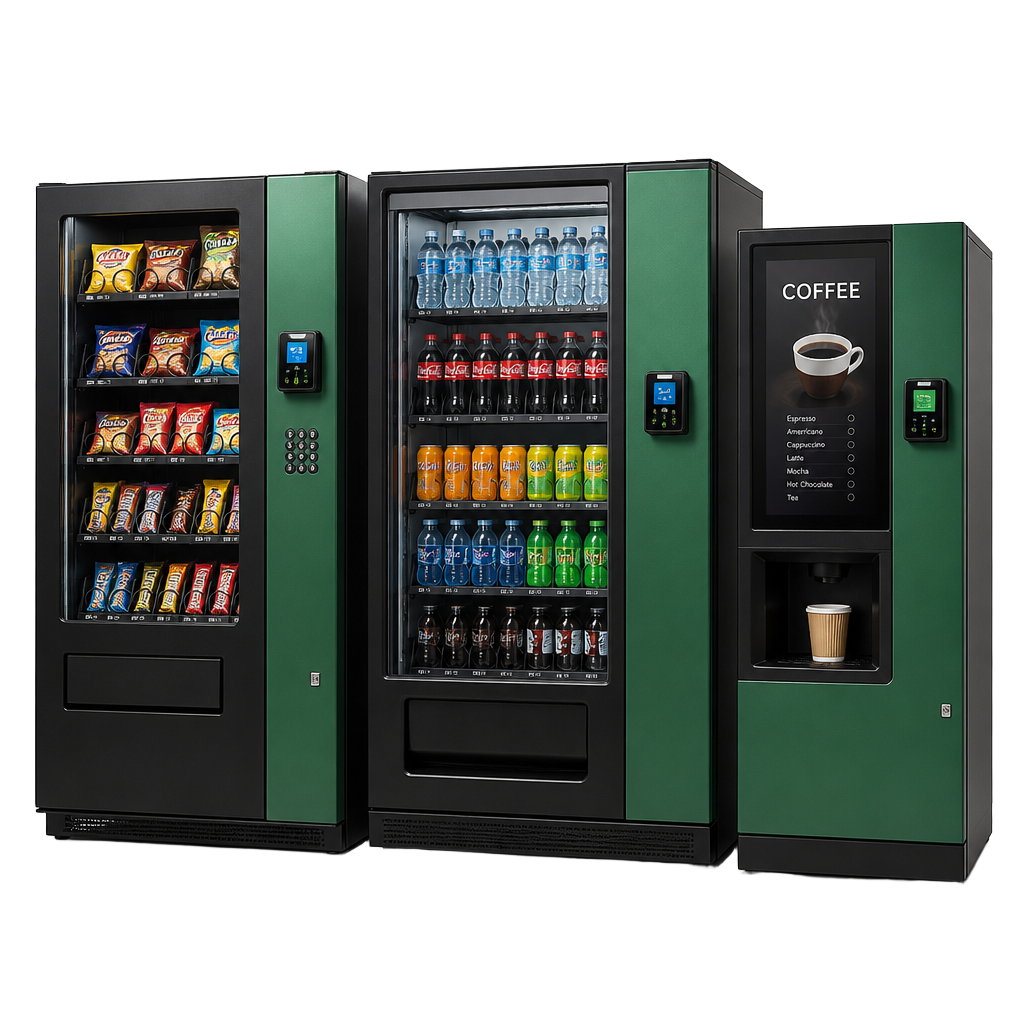
Get vending machines on the road now and own them at the end of the term. New and established operators, Australia-wide — no financials required in many cases.
0% down options
Instant approval for qualified fleets