
Plain-English explainer
"100% tax deductible" vending lease — what it does and doesn't mean
You'll see the phrase in equipment ads and on supplier flyers. It's shorthand for something real, but it is not a promise about your tax return — and treating it as one is how operators get an unpleasant surprise in July.
Read this first
Vending Finance is a referral service, not a lender, broker, accountant or tax agent. Nothing on this page is tax advice and we make no claim about what you can deduct. Tax outcomes depend on your circumstances and the exact agreement you sign — get advice from a registered tax agent or accountant, or check ato.gov.au.
Where the phrase comes from
Equipment sellers have used "100% tax deductible" as a selling line for decades, across coffee machines, forklifts, signage and vending. The idea behind it is straightforward enough: where a business rents or leases equipment that it uses to earn income, the rental payments are commonly treated as a business expense rather than as the purchase of an asset. Compared with buying a machine outright — where you would generally be looking at depreciation over time rather than an immediate expense — the lease structure can feel simpler on paper.
Where the line goes wrong is the word "100%". It implies a settled outcome for everybody, which does not exist. Deductibility is not a feature the seller can bundle in with the machine. It is a conclusion about your business, drawn from your facts, under tax law as it applies at the time.
Five things that change the answer
- How the agreement is actually written. A rental, an operating lease, a finance lease with a residual, a rent-to-own with a nominal purchase option and a chattel mortgage are five different documents. They are not accounted for the same way, even when the weekly payment looks identical.
- Whether the machine is used to earn income. Business use is the foundation of a business deduction. Equipment sitting idle, or used partly privately, is a different conversation and may require apportionment.
- Your entity and structure. A sole trader, a partnership, a company and a trust do not sit in the same position, and neither do their owners.
- GST registration. Your GST position affects how the payments and any credits flow through your activity statements, which changes the real cost of the deal — often more than the headline rate does.
- Timing. Rules, thresholds and concessions available to small business change between income years. Something a flyer said three years ago may not be current.
What "deductible" does not mean
Two misreadings cost operators real money. The first is treating a deduction as a discount — it is not. A deductible expense reduces taxable income; it does not hand you back the full amount you paid. If someone implies a lease is effectively free after tax, be sceptical.
The second is letting the tax line drive the structure. We regularly see operators choose a higher-total-cost rental because it was pitched as fully deductible, when an equipment loan would have cost them less overall and left them owning the machine from day one. Total cost of the deal is a hard number you can check today. The tax effect is a percentage of it, determined later, and only by your accountant. Compare the hard numbers first — our repayment calculator and the rent-to-own calculator both show the total across the term, not just the weekly figure.
Questions to take to your accountant
- Here is the draft agreement — how will this be treated in my books: rental expense, or asset with interest and depreciation?
- Given my structure and GST position, which option leaves me better off after tax?
- Does the residual or purchase option change the treatment, and when?
- How should the machine, the stock and the card reader fees be recorded?
- Are there small business concessions this year that would change my choice?
Half an hour with your accountant before you sign is cheaper than restructuring a three-year agreement afterwards. Take the actual document, not the brochure.
How to compare offers honestly
Strip the tax talk out and put the two or three offers side by side on the same five lines: the term, the payment, the total of all payments, the end-of-term cost to own, and the fees at settlement. Then ask what the machine has to take each week to cover the payment comfortably. If you want the structures explained without the sales pitch, our guides on vending machine leases in Australia, rental with an option to buy and chattel mortgages lay out the differences plainly. If your file is thin, the finance-readiness checklist is the fastest way to improve your position before you apply.
Our position, stated plainly
We will never tell you a lease is 100% tax deductible, because we are not in a position to know and it is not our job. What we will do is put your application in front of lenders who fund vending equipment, show you the structures side by side with the real totals, and tell you when the cheaper option is not the one that pays us. Lenders set their own criteria, we are not privy to all of it, and we cannot guarantee a loan, lend or lease. We may receive a referral commission from a lender — applying through us costs you nothing.
Want the numbers without the sales spin?
Send us the machine and the price. We'll come back with the structures, the totals and the honest recommendation — then take it to your accountant.
Run your own numbers
See the payment first — then take the numbers to your accountant.
Estimates only, not an offer of finance. Lender criteria apply.
State-by-state guides & checklists
Localised examples, site types and guidance for your state — plus a free two-page checklist PDF you can print or send to your accountant.
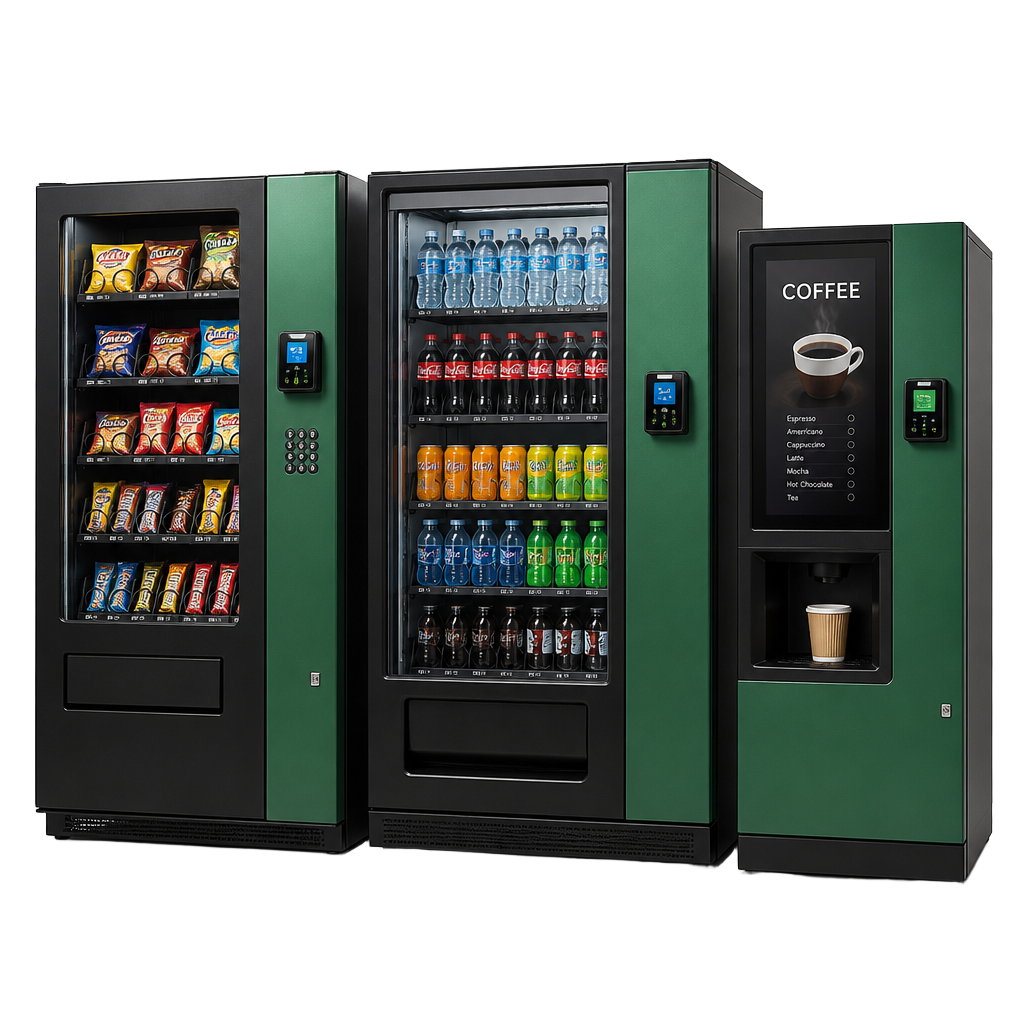
Secure yourRent to Own
Get vending machines on the road now and own them at the end of the term. New and established operators, Australia-wide — no financials required in many cases.
0% down options
Instant approval for qualified fleets