
South Australia · Maximum flexibility, no obligation to buy
Rental agreement in South Australia
An equipment rental agreement SA allows South Australian businesses to access vending, coffee, workshop, and automated retail equipment for set monthly payments without capital outlay. Payments are typically tax-deductible operating expenses, keeping equipment off the balance sheet while offering seamless upgrades at term end.
From Adelaide’s booming urban food precincts to industrial hubs in Whyalla and Port Augusta, South Australian businesses rely on flexible capital solutions to deploy income-generating machinery. An equipment rental agreement SA structure allows operators across the Barossa, Murray Bridge, and Mount Gambier to acquire commercial vending units, smart ATMs, specialty coffee setups, and workshop assets without tying up vital cash flow. By renting instead of purchasing outright, SA enterprises preserve working capital, maintain tax efficiency, and seamlessly upgrade equipment as technology evolves across regional and metro trading zones.
How Equipment Rental Agreements Work in South Australia
An equipment rental agreement SA is an operating contract where a lender purchases the revenue-generating asset and rents it to your business over a fixed period, usually 24 to 60 months. Unlike traditional loans, renting focuses on asset usage rather than equity building. This keeps machinery off the main balance sheet, preserving borrowing capacity for core operational growth across South Australia.
- Zero capital outlay required to deploy operational equipment
- Fixed monthly rental payments for simplified cash flow forecasting
- Potential tax deductibility as a direct operational expense (OpEx)
- Flexible end-of-term options including upgrade, return, or purchase
Ideal SA Site Types and Equipment Applications
South Australia’s diverse economy demands adaptable equipment funding. In metropolitan Adelaide, high-footfall sites like hospitals, transit hubs, and call centres utilise rental structures to install modern cash-out ATMs, unstaffed micro-markets, and smart vending machines. Regional industrial operators in Whyalla, Gawler, and Murray Bridge use rental agreements to fund commercial kitchen equipment, workshop tooling, and site amenities without depleting cash reserves.
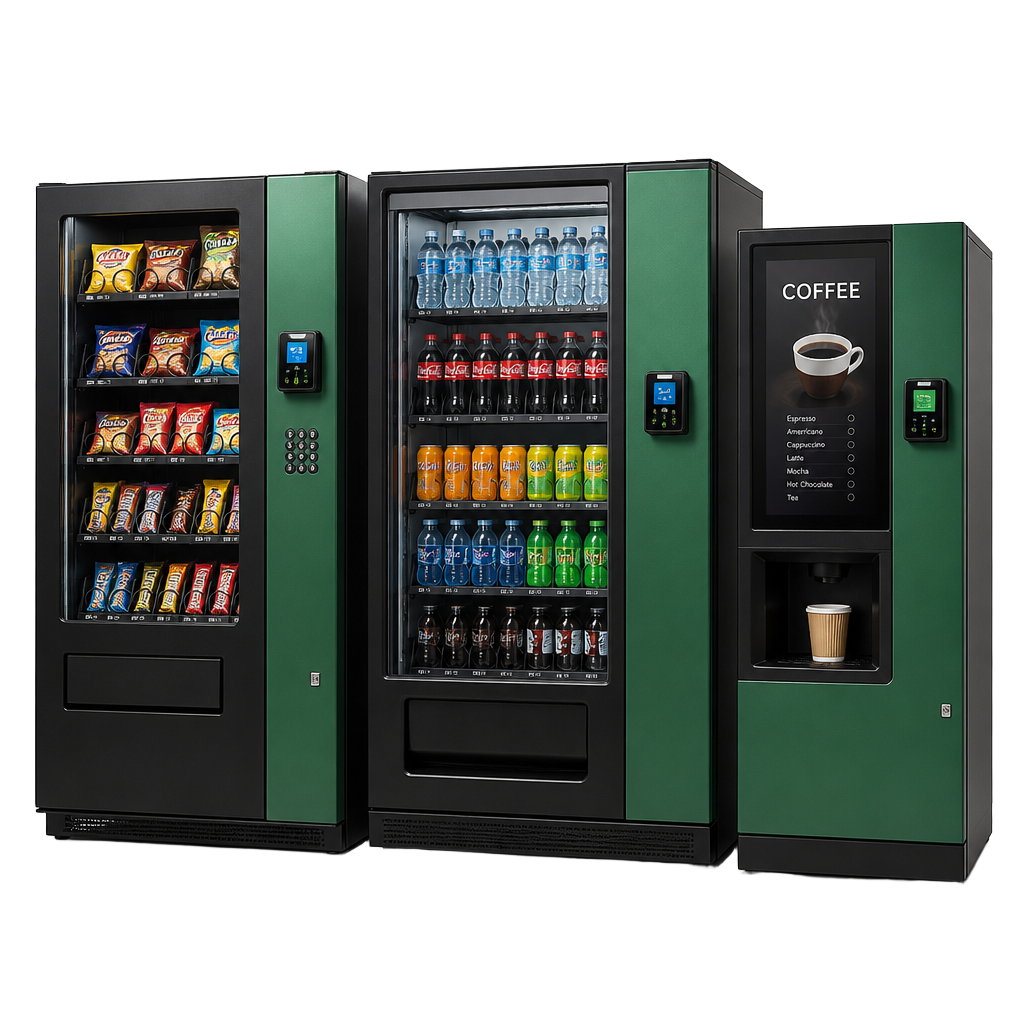
- Automated vending machines for Adelaide administrative and education precincts
- Commercial espresso systems for hospitality venues in the Adelaide Hills and Barossa
- PPE dispensers and industrial micro-markets for Whyalla and Port Augusta work sites
- Turnkey ATM installations for retail centres in Gawler, Mount Gambier, and Murray Bridge
What Lenders Look for in SA Applicants
When evaluating an equipment rental agreement SA application, panel lenders review business stability, cash flow, and asset profitability. Strong commercial sites in Adelaide or major regional corridors enhance application strength. Lenders generally require an active ABN, proof of trading history, and clear bank statements showing consistent revenue to cover fixed rental obligations.
- Active Australian Business Number (ABN) with GST registration
- 12+ months of trading history (low-doc options available for established entities)
- Demonstrated cash flow to support monthly rental instalments
- Secured host site agreements or commercial lease stability in SA
End-of-Term Options and Flexible Upgrades
At the conclusion of a rental agreement, South Australian operators retain maximum operational freedom. You can return the equipment with no further obligation, renew the lease at adjusted rates, upgrade to cutting-edge technology under a new agreement, or make an offer to purchase the asset at fair market value. Explore your options using our free online repayment calculator, apply online today, or call 0412 025 552 to connect with our lender marketplace.
- Upgrade to new models to maintain competitive service standards
- Extend the rental term for continued use at reduced rates
- Make an offer to buy the machinery outright at market value
- Return the equipment to the funder without residual equity risk
What lenders look at in South Australia
A SA worked example
A logistics operator in Mount Gambier secures three high-capacity coffee and fresh-food vending machines valued at $36,000 to serve 24/7 transport workers. Using a 36-month equipment rental agreement SA structure with zero upfront capital, rental payments are structured at $1,220 per month. The business claims these payments as operating expenses, offsetting local revenue. At month 36, having fully written off the rental outlay against tax liabilities, the operator upgrades to the latest touch-screen automated units under a new agreement, ensuring continuous reliability without capital depletion.
Illustrative only. We are a referral marketplace, not a lender or broker — lenders set their own criteria, rates and terms, and no approval is guaranteed.
Run the numbers
SA questions we get asked
Are equipment rental payments 100% tax-deductible in SA?
Yes. Off-balance-sheet or operating rental payments are generally deductible as operating expenses under ATO guidelines, provided the asset generates assessable income. Always consult a qualified South Australian accountant to confirm tax treatment for your business structure.
What is the difference between a rental agreement and a chattel mortgage?
Equipment rental agreements SA provide operational flexibility without ownership obligations, allowing tax-deductible off-balance-sheet rentals. Chattel mortgages involve immediate balance-sheet asset ownership, GST input tax credits up front, and asset depreciation over time.
What criteria do SA businesses need to qualify for equipment rental?
Most panel lenders look for an active ABN, 12 to 24 months of trading history, GST registration, and bank statements showing healthy cash flow. Start-ups with strong credit profiles or property backing may also qualify.
What happens when the rental agreement term ends?
At the end of your term, you can return the machinery, upgrade to new technology under a fresh agreement, extend the rental term, or offer to purchase the equipment at fair market value.
Next steps
Rental agreement in other states
Ready to see what SA lenders can do?
Five-minute enquiry, no obligation. We pass your details to lenders who fund vending and equipment purchases and may receive a commission if a deal proceeds.
Secure yourRent to Own
Get vending machines on the road now and own them at the end of the term. New and established operators, Australia-wide — no financials required in many cases.
0% down options
Instant approval for qualified fleets