
Northern Territory · Hand it back and upgrade
Operating lease in Northern Territory
An operating lease NT allows Northern Territory businesses to secure commercial vending, coffee, and service equipment by renting assets for an agreed term. Instead of buying, operators pay off-balance-sheet rental payments, keeping capital flexible while managing remote freight, harsh climate wear, and seasonal cash flow shifts.
An operating lease NT provides Northern Territory businesses with access to high-performance vending, coffee, and commercial machinery without the balance-sheet footprint or ownership risks of capital purchases. From bustling Darwin waterfront precincts to mining support hubs in Alice Springs, operating leases allow operators to rent essential equipment for a set term. This structure preserves working capital, offers potential tax deductibility as an operating expense, and simplifies upgrades when tech advances or tropical wear requires equipment replacement.
How NT Businesses Leverage Operating Leases
Territory enterprises operate across diverse markets, from high-density hospitality in Darwin to remote service stations along the Stuart Highway. Operating leases are popular across several key sectors:
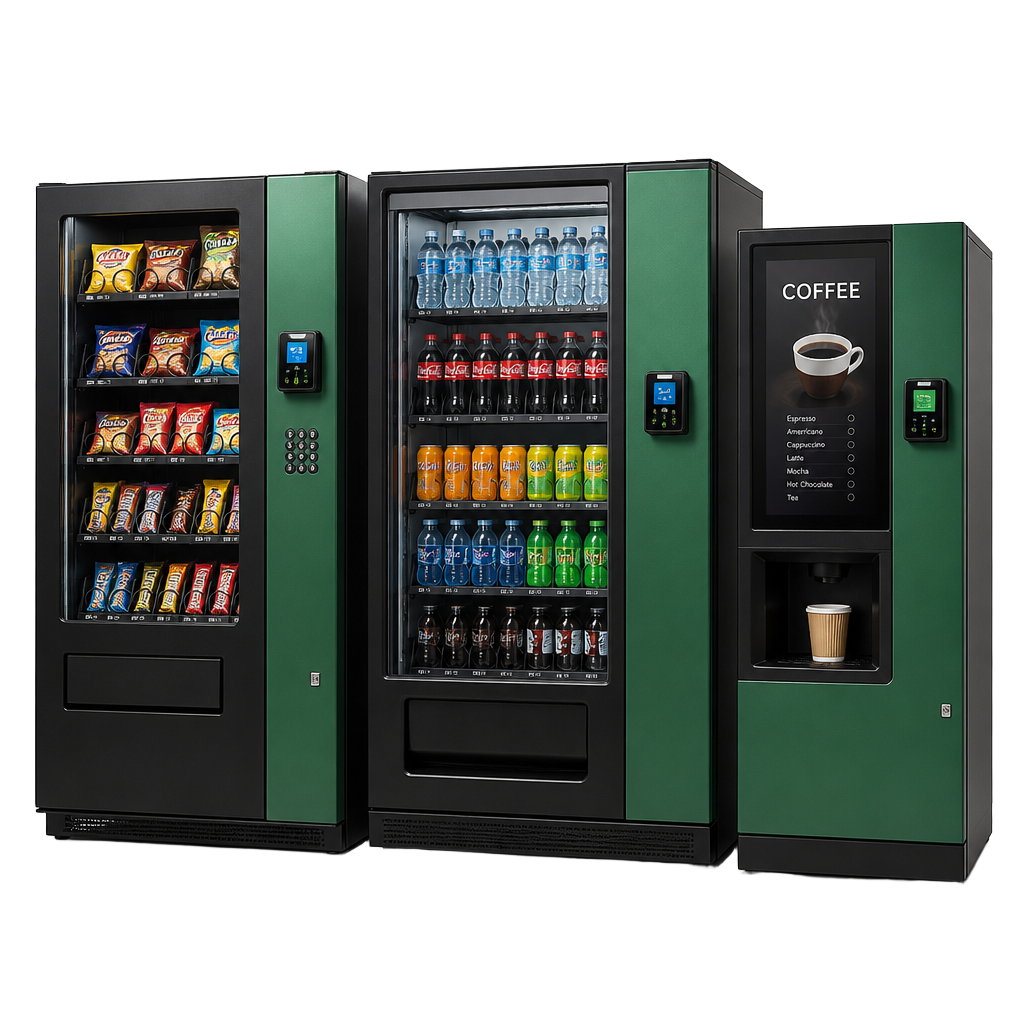
- Vending and Micro-Markets: Deploying combination food and drink units in Palmerston trade yards and Katherine health sites.
- Commercial Coffee Systems: Equipping cafes, hotels, and tourist venues across Darwin and Alice Springs.
- Industrial Kitchen & Workshop Gear: Fitting out remote mining camps and pastoral stations near Tennant Creek.
- ATM & PPE Solutions: Supplying high-traffic retail centers, pub venues, and resource sites with essential automated kiosks.
What Panel Lenders Evaluate for NT Applicants
Financing equipment in the Northern Territory requires lenders to evaluate specific regional variables. Panel financiers review credit profile alongside operational resilience to account for NT market dynamics:
- Site Security & Location: Confirmed placements in stable Darwin, Katherine, or Alice Springs commercial properties.
- Seasonal Cash Flow: Demonstrated capacity to manage revenue dips during the Wet Season.
- Freight & Logistics Integration: Clear accounting for transport and transit insurance costs to remote sites.
- ABN & Trading History: Valid ABN verification and bank statement proof of operational stability.
Tax and Accounting Advantages in the Territory
Under Australian Accounting Standards (AASB 16), operating leases offer distinct structural benefits. Rental payments are typically classified as operating expenses (OpEx) rather than capital debt, preserving borrowing power. In the NT’s challenging climate—where humidity and dust accelerate machinery wear—renting avoids long-term asset depreciation. Business owners can deduct rental payments against revenue, subject to independent tax advice from an qualified accountant.
End-of-Term Options for Territory Operators
At the conclusion of an operating lease term, Territory businesses maintain complete operational flexibility:
- Upgrade Equipment: Return older units and lease modern, energy-efficient machines suited to tropical climates.
- Extend the Lease: Continue renting reliable equipment on flexible month-to-month or structured terms.
- Return the Asset: Hand back machines without disposal hassles or second-hand market resale risks.
- Make an Offer: Request to purchase the asset at fair market value, subject to lender agreement.
What lenders look at in Northern Territory
A NT worked example
A Darwin tourism operator at Stokes Hill Wharf leases three commercial cold-drink vending machines valued at $24,000 to handle Dry Season cruise crowds. Under a 36-month operating lease, monthly payments are $750. Rather than committing capital to asset ownership that wears down in tropical humidity, the business deducts the full $750 monthly operating expense against income. When the term concludes, they return the equipment to upgrade to newer models, avoiding off-season maintenance costs and capital tie-ups.
Illustrative only. We are a referral marketplace, not a lender or broker — lenders set their own criteria, rates and terms, and no approval is guaranteed.
Run the numbers
NT questions we get asked
Can freight and delivery to remote NT locations be included in the lease?
Yes, an operating lease allows Northern Territory businesses to include freight, Darwin harbour logistics, and initial setup charges into the total leased amount, subject to panel lender approval.
Is operating lease financing available for second-hand commercial equipment in the NT?
Operating leases are available for new and qualified refurbished commercial equipment. Lenders evaluate asset age, service history, and suitability for NT operating environments during approval.
Can an NT business buy the vending machine at the end of an operating lease?
Operating leases generally do not build equity or grant automatic ownership. However, options at term-end include negotiating a purchase at fair market value, extending the lease, or returning the machines.
What documents are required to apply for an operating lease in the NT?
Most lenders require an active ABN, proof of NT operational history, bank statements showing cash flow, and details on proposed installation sites like Alice Springs retail hubs or Katherine stops.
Next steps
Operating lease in other states
Ready to see what NT lenders can do?
Five-minute enquiry, no obligation. We pass your details to lenders who fund vending and equipment purchases and may receive a commission if a deal proceeds.
Secure yourRent to Own
Get vending machines on the road now and own them at the end of the term. New and established operators, Australia-wide — no financials required in many cases.
0% down options
Instant approval for qualified fleets