
New South Wales · Broad-use secured funding
Secured loan agreement in New South Wales
A secured business loan in NSW provides upfront capital to buy commercial equipment—such as vending, coffee, or workshop assets—using the asset itself as collateral via a PPSR charge. NSW businesses gain immediate legal ownership while repaying principal and interest over a fixed term.
New South Wales businesses operating from the bustling commercial hubs of Parramatta and Penrith to regional nodes like Wagga Wagga and Coffs Harbour rely on secured business loans to acquire revenue-generating machinery. A secured loan agreement allows NSW operators to take immediate ownership of vending machines, commercial coffee units, automated retail hardware, or workshop equipment while using the assets themselves as primary collateral. By registering a security interest on the Personal Property Securities Register (PPSR), lenders mitigate risk, allowing local enterprises to preserve working capital while expanding footprint across Sydney office towers, Newcastle industrial corridors, and coastal transport hubs.
How Secured Loan Agreements Function in New South Wales
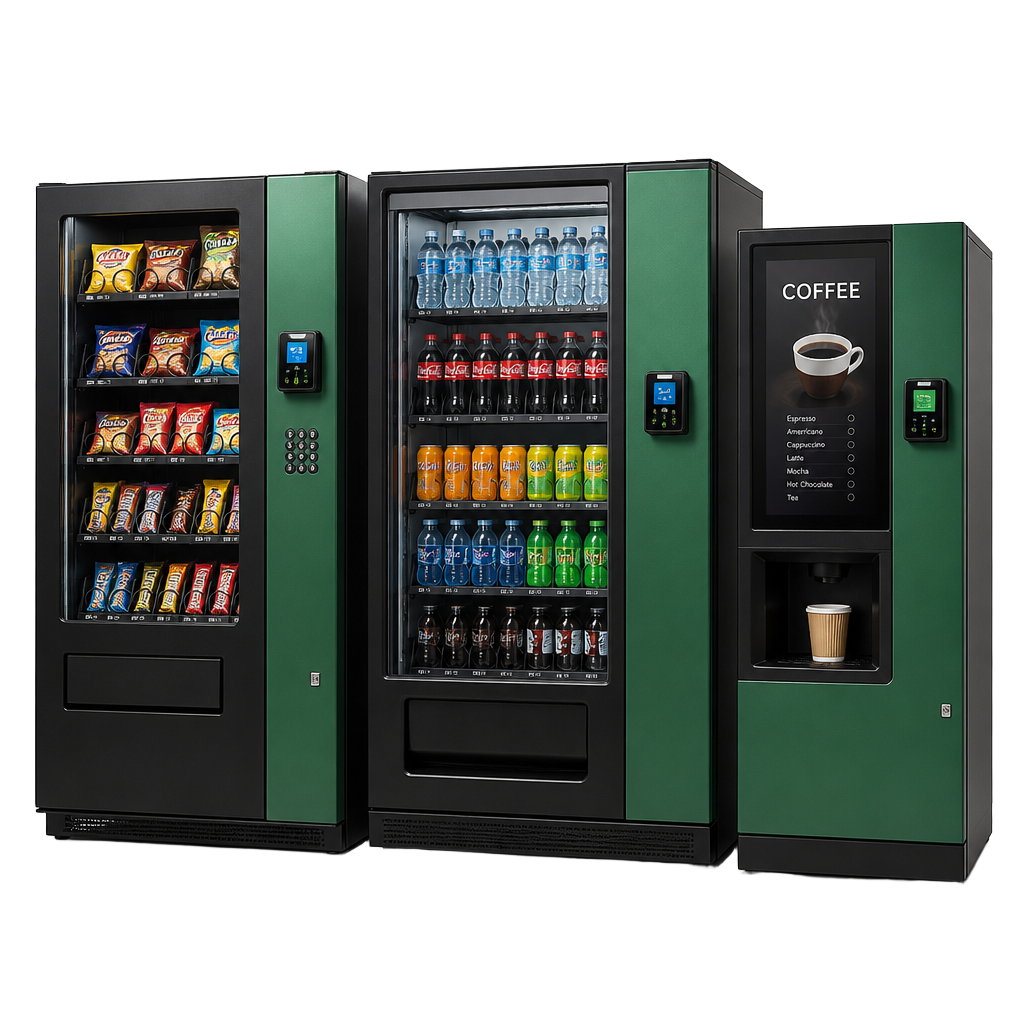
A secured loan agreement is a chattel mortgage structure widely utilized by New South Wales enterprises to acquire income-producing capital assets. Under this framework, your business takes legal ownership of the equipment immediately upon settlement. The financier secures the debt by registering a charge over the equipment on the PPSR, eliminating the need to tie up residential property or equity in commercial real estate. In NSW's competitive commercial landscape—from Sydney CBD micro-markets to manufacturing hubs in Penrith and Newcastle—this structure provides a predictable repayment schedule over terms typically ranging from two to seven years. Businesses can fund automated snack and drink vendors, smart coffee kiosks, health-site PPE dispensers, or light industrial tools without sacrificing liquidity.
What Lenders Look for in NSW Applicants
Lenders on the Vending Finance panel evaluate several key operational and financial metrics when reviewing secured business loan applications from New South Wales companies:
- ABN registration status and active GST registration for at least 6 to 12 months.
- Location stability, including secure site agreements or leases in places like Sydney office parks, Wollongong retail centers, or regional transport hubs.
- Equipment suitability, favoring durable, high-resale revenue assets like smart vending, coffee, and workshop machinery.
- Demonstrated debt serviceability through recent bank statements or BAS lodgements showing clear cash flow.
Tax Considerations for NSW Business Owners
Secured loan agreements offer clear accounting and operational advantages tailored to the New South Wales tax environment. Because your business owns the equipment from day one, you may be eligible to claim tax deductions for interest charges and equipment depreciation, or utilize instant asset write-off provisions where applicable under current Australian Tax Office (ATO) guidelines. Input Tax Credits (ITCs) for the GST included in the equipment purchase price can typically be claimed upfront on your next Business Activity Statement (BAS). Because tax positions vary based on corporate structure and turnover, always consult your accountant to confirm specific tax outcomes for your NSW enterprise.
End-of-Term Outcomes and Asset Equity
At the conclusion of a secured business loan term in NSW, your business retains full equity in the equipment. Once all scheduled principal and interest payments—and any agreed balloon residual—are paid in full, the lender discharges their security interest on the PPSR. The machinery remains a fully owned asset on your balance sheet, continuing to generate revenue across your Sydney, Illawarra, or Hunter sites with zero ongoing debt service. Alternatively, operators can choose to trade in the clear-title asset to secure upgraded technology under a new financing arrangement. Explore your options using our free online repayment calculator, apply online today, or call 0412 025 552 to speak with our team.
What lenders look at in New South Wales
A NSW worked example
A Parramatta-based commercial cleaning and breakroom service provider secures a $60,000 secured business loan in NSW to install four smart vending machines and two coffee units across office towers in Sydney CBD and Macquarie Park. The lender takes a charge over the equipment via the PPSR, leaving the business’s commercial property unencumbered. With monthly principal and interest repayments structured over a 48-month term, the cash flow generated from high-footfall office tenancies comfortably covers the debt service while building full equity in the assets.
Illustrative only. We are a referral marketplace, not a lender or broker — lenders set their own criteria, rates and terms, and no approval is guaranteed.
Run the numbers
NSW questions we get asked
Can I use a secured business loan in NSW to buy secondhand equipment?
Yes. Secured business loans in NSW allow commercial operators to purchase secondhand vending, coffee, or workshop machinery, provided the assets meet the panel lender’s age and condition criteria. Lenders typically evaluate the equipment’s resale value and expected remaining useful lifespan before registering a PPSR security interest.
Who holds title to the equipment under a secured loan agreement?
Under a secured loan agreement, your business takes immediate legal ownership of the equipment at settlement. The lender holds a security interest registered on the PPSR until the loan balance, including any balloon payment, is paid in full, at which point the encumbrance is discharged.
Are interest rates lower on a secured loan compared to unsecured finance?
While interest rates depend on your business's financial history and credit profile, secured business loans generally offer lower interest rates than unsecured finance. Because the vending or industrial equipment serves as collateral registered on the PPSR, lender risk is reduced.
What happens if the secured equipment is damaged or stolen during the loan term?
If equipment is destroyed or stolen, your mandatory comprehensive insurance policy responds. The insurance payout is primary collateral that settles the outstanding balance on the secured loan, with any remaining funds returned to your business after the PPSR registration is discharged.
Next steps
Secured loan agreement in other states
Ready to see what NSW lenders can do?
Five-minute enquiry, no obligation. We pass your details to lenders who fund vending and equipment purchases and may receive a commission if a deal proceeds.
Secure yourRent to Own
Get vending machines on the road now and own them at the end of the term. New and established operators, Australia-wide — no financials required in many cases.
0% down options
Instant approval for qualified fleets