
Tasmania · Broad-use secured funding
Secured loan agreement in Tasmania
A secured business loan in Tasmania allows local businesses to finance commercial equipment by using the asset itself as primary collateral. Buyers gain immediate title, claim upfront GST credits where eligible, and spread capital costs over flexible 2 to 7-year terms with structured repayments tailored to regional cash flows.
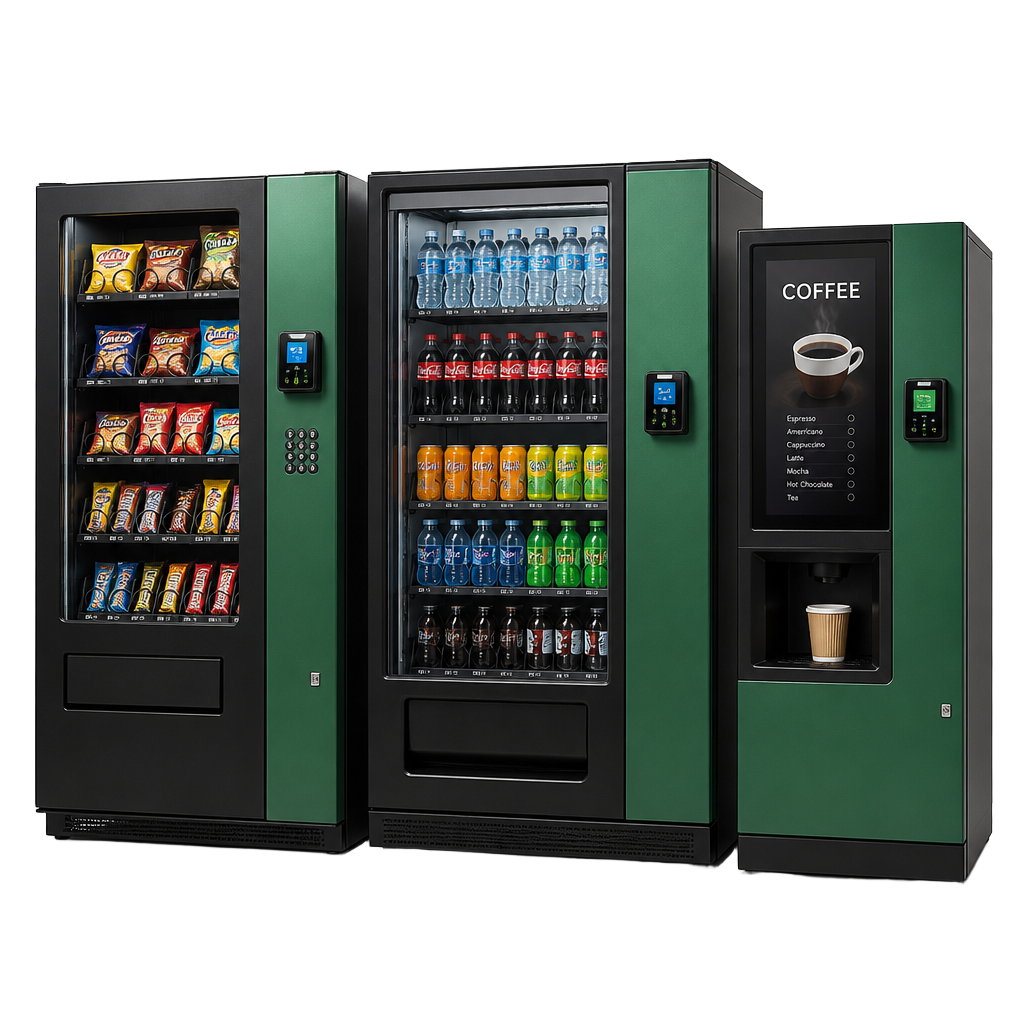
Tasmanian enterprises from Hobart to Burnie leverage secured business loans to acquire essential commercial assets while preserving working capital. Under a secured loan agreement, your business takes immediate ownership of revenue-generating equipment—such as vending machines, commercial coffee setups, or industrial tools—while the lender registers a specific security interest on the Personal Property Securities Register (PPSR). This structure enables TAS operators across tourism, food service, maritime, and regional logistics to fund growth, access potential tax benefits, and retain full asset ownership from day one.
How a Secured Business Loan Works for TAS Operations
A secured business loan allows Tasmanian business owners to purchase capital equipment outright while using the purchased asset as security. Ownership vests with your business immediately upon settlement, allowing you to enter site contracts and generate cash flow straight away. Lenders register a charge on the PPSR, which is removed once the loan balance is fully paid. This arrangement suits expanding operators in Hobart, Launceston, and coastal industrial hubs who want to build balance sheet equity rather than rental leases.
- Immediate legal ownership of commercial assets from settlement
- Ability to claim upfront GST input tax credits (consult your tax advisor)
- Flexible loan terms ranging from 24 to 84 months
- Preservation of existing bank overdrafts and equity reserves
Target Equipment and Local Industry Mix in Tasmania
Tasmania's economy relies heavily on tourism, premium food production, advanced manufacturing, and maritime logistics. Secured loans commonly fund automated retail vending units, micro-market setups, commercial coffee machines, cold-room plant, PPE dispensaries, and workshop tooling. From high-density footfall locations along the Hobart waterfront to processing facilities in Ulverstone and transport depots near the Port of Devonport, capital equipment financed through secured loans helps regional businesses capture seasonal demand without draining cash reserves.
- Automated fresh food, combination, and smart vending machines
- Commercial espresso equipment for Tamar Valley and Hobart cafes
- PPE and industrial safety dispensing units for West Coast mining sites
- Precision workshop tools and cold-chain logistics equipment
Lender Evaluation Criteria for TAS Applicants
Lenders on the Vending Finance marketplace evaluate applications based on business sustainability, credit profile, and the commercial viability of the underlying equipment. Standard criteria include a valid Australian Business Number (ABN), GST registration where applicable, and evidence of trading history. For regional TAS applicants, lenders also assess asset resale liquidity, site agreements, and cash-flow stability—particularly for businesses impacted by seasonal shifts between peak summer tourism and quieter winter trading periods.
- Active ABN and appropriate business registration history
- Bank statements showing consistent turnover and healthy debt serviceability
- Details on target installation sites or commercial supply contracts
- Clear credit histories for key business directors
End-of-Term Outcomes and Asset Title
At the end of your secured business loan term, paying the final balance fully satisfies your obligations. The lender lodges a discharge on the PPSR, leaving the equipment 100% unencumbered on your balance sheet. Because your business owned the asset throughout the loan, there are no return conditions, residual value surprises, or end-of-lease negotiations. You can continue operating the equipment cost-free, trade it in for upgraded technology, or redeploy it to new sites across Tasmania.
- PPSR encumbrance automatically removed upon final payment
- Full retention of asset trade-in or resale value
- No ongoing rental fees or forced asset returns
- Option to refinance residual balances if structured with a balloon payment
What lenders look at in Tasmania
A TAS worked example
A Hobart-based automated retail business secures a $40,000 loan over a 4-year term at an illustrative interest rate of 8.5% p.a. to finance three smart fresh-food vending machines deployed across high-footfall sites in Launceston and Devonport. Monthly principal and interest repayments are roughly $985. The borrower claims GST input tax credits upfront on the initial invoice and claims annual tax deductions for asset depreciation and loan interest, subject to accountant advice. Upon paying the final monthly installment, encumbrance on the PPSR is released and full title remains uninterrupted.
Illustrative only. We are a referral marketplace, not a lender or broker — lenders set their own criteria, rates and terms, and no approval is guaranteed.
Run the numbers
TAS questions we get asked
Can startup businesses in Tasmania apply for a secured business loan?
Yes, most commercial lenders on the Vending Finance panel consider startup operations with a valid ABN, provided directors demonstrate relevant industry experience, strong personal credit, or supplementary backing such as real estate equity or a detailed cash-flow projection.
Can I relocate financed equipment between Hobart and regional TAS sites?
Yes, equipment financed via a secured business loan can generally be relocated within Tasmania or moved interstate, provided you update your insurer and notify the lender of the asset’s new primary operational address.
What happens if I want to pay out the secured loan early in Tasmania?
If market conditions change, lenders usually allow early payout of the loan balance. Early exit fees or interest adjustment charges may apply depending on the specific lender's terms and contract structure.
Does a secured business loan affect my other business assets in Tasmania?
Lenders register a specific security interest over the equipment on the PPSR. While they evaluate your overall business liquidity, existing unencumbered assets or real estate are generally not tied up unless additional collateral is explicitly required.
Next steps
Secured loan agreement in other states
Ready to see what TAS lenders can do?
Five-minute enquiry, no obligation. We pass your details to lenders who fund vending and equipment purchases and may receive a commission if a deal proceeds.

Secure yourRent to Own
Get vending machines on the road now and own them at the end of the term. New and established operators, Australia-wide — no financials required in many cases.
0% down options
Instant approval for qualified fleets