
Victoria · Ownership from day one
Chattel mortgage in Victoria
A chattel mortgage in Victoria is a commercial loan where a business takes immediate ownership of equipment while the lender registers a charge over the asset on the PPSR. It offers fixed repayments, potential tax benefits, and full asset ownership upon final contract settlement.
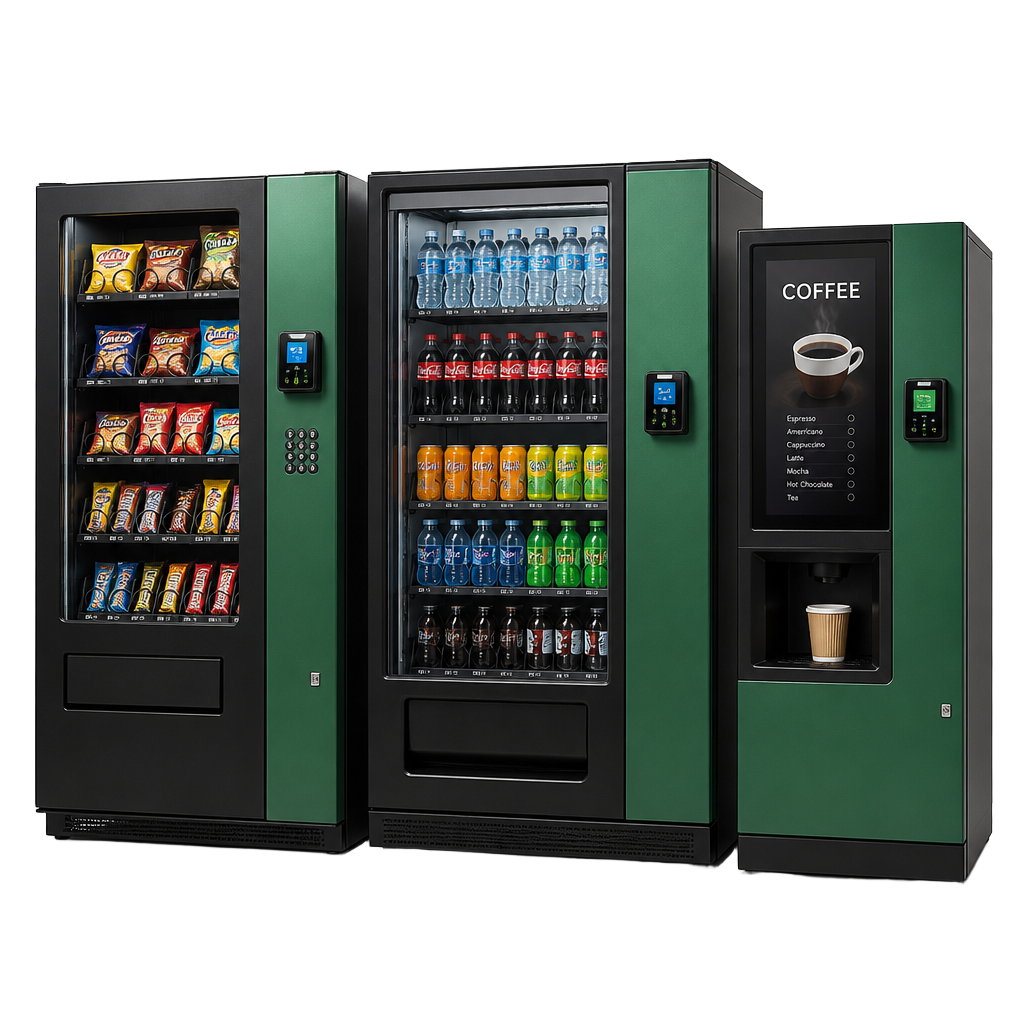
Victorian businesses from Melbourne's bustling hospitality strips to heavy industrial precincts in Dandenong rely on chattel mortgages to acquire essential commercial assets. This popular equipment finance structure gives your enterprise immediate asset ownership while spreading capital expenditure over terms up to seven years. Whether expanding a vending network across Geelong healthcare facilities, upgrading automated coffee systems in CBD office towers, or equipping a food manufacturing facility in Shepparton, a chattel mortgage aligns monthly repayments with incoming revenue. Vending Finance connects Victorian operators with specialised lenders to secure tailored terms that support business growth and cash flow health.
Understanding Chattel Mortgages in Victoria
A chattel mortgage operates as a commercial loan tailored for Victorian sole traders, partnerships, and companies. Under this structure, your business takes legal ownership of the equipment at the time of purchase, while the lender secures the loan by registering a charge over the asset on the Personal Property Securities Register (PPSR). This structure is widely utilised across Victoria for financing vending machines, smart micro-markets, commercial kitchen appliances, and automated teller units. Because the asset secures the finance, operators often access competitive fixed interest rates and flexible terms ranging from 12 to 84 months.
Key Cash Flow and Tax Benefits for VIC Businesses
Victorian enterprises choose chattel mortgages primarily for their cash flow flexibility and potential tax efficiencies. Businesses registered for GST can generally claim the full input tax credit on the purchase price in their immediate Business Activity Statement (BAS), rather than waiting across the loan term. Additionally, interest charges and asset depreciation may be tax-deductible when the equipment is used to generate assessable income. Flexible payment structures—including zero-deposit options and tailored residual balloon payments—allow operators in seasonal sectors like Yarra Valley tourism or Goulburn Valley agriculture to match repayments with cash flow cycles. Always consult a certified accountant to verify tax outcomes for your business.
What Lenders Look for in Victorian Applicants
When applying for a chattel mortgage in Victoria, lenders evaluate several core criteria to determine suitability and terms. Low-doc options are frequently available for established businesses with an active ABN and strong credit history, requiring minimal financial paperwork. Panels look closely at trading history, bank statements, and the operational viability of your site locations—such as secured footfall contracts in Melbourne retail centres or regional health hubs in Ballarat and Bendigo. New ventures or operators expanding vending routes into emerging corridors like West Werribee can also secure finance by providing clear cash flow projections and proof of site access agreements.
End-of-Term Options and Asset Ownership
A key advantage of a chattel mortgage is clear end-of-term simplicity. Because your business holds title to the equipment from day one, fulfilling your regular repayment schedule clears the loan contract entirely. If your finance structure includes an agreed balloon payment at the end of the term, you can pay the remaining balance from cash reserves, trade in or sell the equipment to clear the balance, or refinance the residual amount into a new structured agreement. Once settled, the lender removes their charge from the PPSR, leaving your business with unencumbered ownership of fully functioning, income-generating assets.
Get Started with Victorian Equipment Finance
As a dedicated referral marketplace, Vending Finance streamlines your search for competitive equipment loans across Victoria. Explore your options using our free online repayment calculator, submit an inquiry online, or call our team on 0412 025 552 to connect with specialized lenders.
What lenders look at in Victoria
A VIC worked example
A logistics business in Dandenong purchases three automated micro-markets valued at $60,000 to serve nearby industrial warehouses. Securing a chattel mortgage with no deposit, the owner takes immediate ownership of the machines. Because the business is GST-registered, their accountant claims the $5,454 GST component on the next Business Activity Statement (BAS). With fixed monthly repayments structured over a four-year term, cash flow remains predictable while the vending units generate steady daily income across workplace breakrooms. At the end of the loan term, the final payment clears the contract, leaving the business with full unencumbered ownership of the income-producing equipment.
Illustrative only. We are a referral marketplace, not a lender or broker — lenders set their own criteria, rates and terms, and no approval is guaranteed.
Run the numbers
VIC questions we get asked
Can Victorian businesses claim GST upfront on a chattel mortgage?
Yes. A chattel mortgage allows GST-registered Victorian businesses to claim the upfront GST on the equipment purchase price in their next Business Activity Statement, subject to advice from a qualified tax accountant.
What do lenders look for when approving VIC chattel mortgage applications?
Lenders on our panel evaluate your ABN status, trading history, bank statements, credit profile, and the profit potential of your proposed equipment location, such as high-footfall sites in Melbourne CBD or regional hubs like Geelong.
How is security handled under a chattel mortgage in Victoria?
Absolute security over the assets is registered on the Personal Property Securities Register (PPSR). Lenders use the vending machines or equipment itself as primary collateral, which often minimises the need for personal real estate security.
What happens at the end of a chattel mortgage agreement in Victoria?
Once the final regular instalment or agreed residual payment is completed, the lender removes their charge from the PPSR. You retain full, unencumbered title to the equipment with nothing further to pay.
Next steps
Chattel mortgage in other states
Ready to see what VIC lenders can do?
Five-minute enquiry, no obligation. We pass your details to lenders who fund vending and equipment purchases and may receive a commission if a deal proceeds.

Secure yourRent to Own
Get vending machines on the road now and own them at the end of the term. New and established operators, Australia-wide — no financials required in many cases.
0% down options
Instant approval for qualified fleets