
Northern Territory · Ownership from day one
Chattel mortgage in Northern Territory
A chattel mortgage in the NT provides Northern Territory businesses with immediate ownership of commercial equipment while financing the purchase via fixed monthly installments. Secured against the asset via the PPSR, it offers potential tax depreciation benefits and GST claim advantages suited to territory seasonal cash flows.
Securing commercial hardware across the Top End and Red Centre requires flexible business credit tailored to unique territory conditions. A chattel mortgage in the NT allows local operators—from Darwin hospitality venues to Alice Springs transport hubs—to secure immediate ownership of revenue-generating assets while spreading costs over manageable terms. By taking ownership at settlement, Northern Territory businesses can optimize cash flow through the wet and dry seasons, maximize tax deductions, and deploy commercial vending, coffee, or workshop machinery without draining working capital. Vending Finance connects territory businesses with specialised lenders who understand regional operations.
How a Chattel Mortgage Works for Territory Businesses
A chattel mortgage operates as an asset-backed commercial loan structure designed for business equipment purchases. The lender advances funds to acquire the machinery, taking a specific security interest over the equipment registered on the Personal Property Securities Register (PPSR). Ownership transfers to your Northern Territory enterprise immediately upon settlement, providing full operational control. This structure allows NT operators to preserve liquidity while placing revenue-generating vending machines, automated retail hubs, or industrial workshop tools into immediate service across Darwin, Palmerston, and regional centres.
- Immediate asset ownership recorded on your balance sheet from day one
- Fixed interest rates and predictable monthly payments for easier budgeting
- Flexible loan terms typically ranging from 12 to 84 months
- Optional residual (balloon) payments to reduce regular cash commitments
Targeted Assets and Regional NT Industry Applications
The Northern Territory’s distinct economic cycles—marked by the Top End wet season and regional tourism surges—require adaptable equipment funding. Chattel mortgages suit NT businesses adding cash-flowing assets like smart vending units, micro-marts, commercial coffee systems, or specialized workshop equipment. Owning the equipment upfront allows businesses serving remote mining sites, highway roadhouses, or Darwin urban hubs to build asset equity while generating daily revenue. Lenders evaluate regional viability, cash flow patterns, and equipment commercial value when structuring financing facilities.
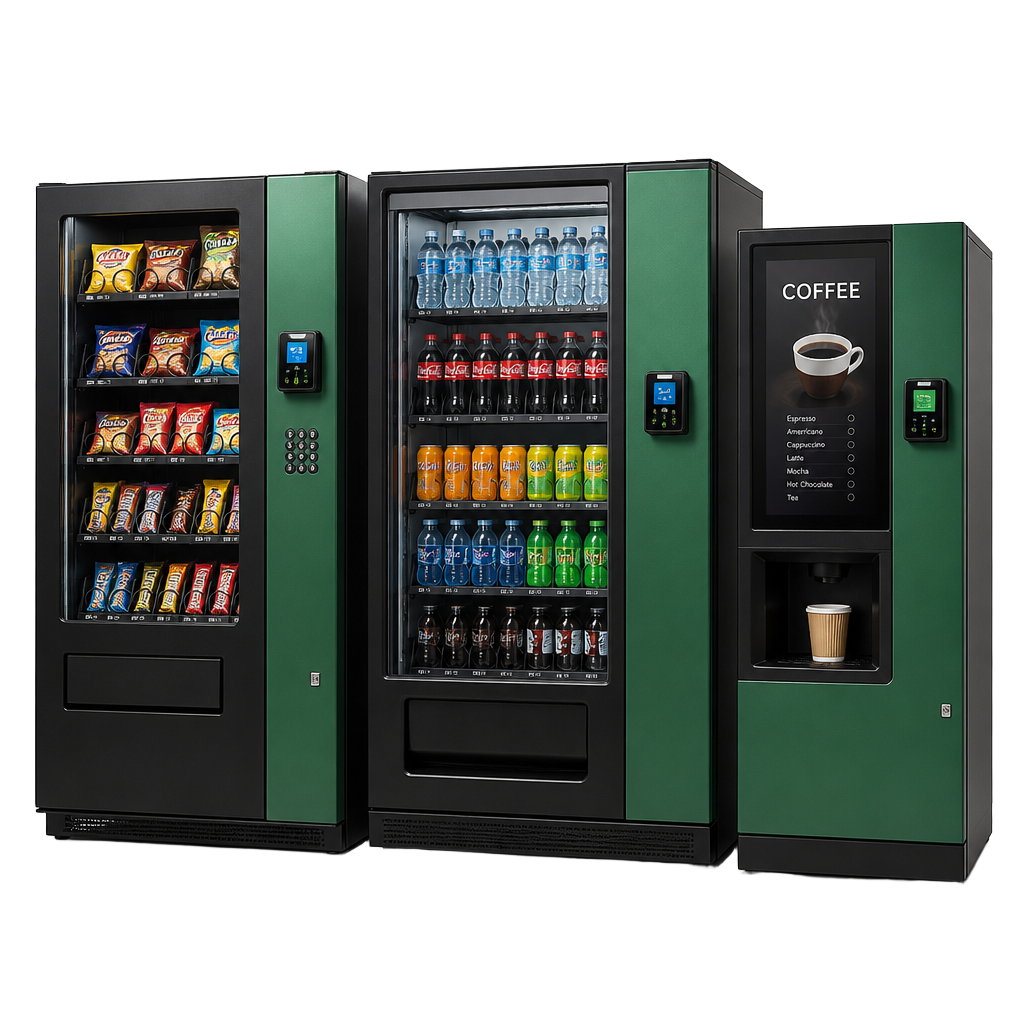
- Combo cold drink and snack vending machines for East Arm industrial sites
- Automated PPE dispensaries and secure tool lockers for remote mine camps
- Commercial coffee machines for Darwin Waterfront and Mitchell Street cafes
- Unattended cash/ATM units and retail kiosks for Katherine and Alice Springs hubs
What Lenders Look for in NT Applicants
When assessing a chattel mortgage NT application, panel lenders review your enterprise’s trading history, cash flow consistency, and credit profile. Options exist for both full-doc applicants with up-to-date tax returns and low-doc applicants using bank statements or BAS returns. Lenders pay close attention to seasonal cash reserves, ensuring monthly commitments remain comfortable during quiet trading periods. For commercial vending and automated retail equipment, lenders appreciate the predictable, high-margin cash flow these assets deliver to cover facility repayments.
- Active ABN with GST registration (preferred for upfront tax credit benefits)
- Proof of business cash flow via recent bank statements or BAS filings
- Clear commercial location or site agreement for equipment placement
- Appropriate asset insurance coverage across the loan term
End-of-Term Options and Getting Started in the NT
At the conclusion of an NT chattel mortgage contract, your business reaches full unencumbered ownership once all monthly installments and any final residual (balloon) amount are satisfied. If your loan includes a residual structure, you have multiple options: payout the residual using operational cash, refinance the remaining balance into a new loan agreement, or sell/trade in the equipment to upgrade to modern machinery. Our team can help evaluate end-of-term options or set up a flexible payment structure from the start. Calculate your repayments using our free online calculator, apply online today, or call 0412 025 552 to discuss your NT equipment finance goals.
What lenders look at in Northern Territory
A NT worked example
A Katherine tourism operator buys four combination vending machines for $32,000 to serve passing road-train traffic and seasonal visitors. Under an NT chattel mortgage, the business takes ownership at settlement, allowing their accountant to claim available depreciation and GST on the upfront purchase price. With a 20% residual ($6,400) and a three-year term, monthly repayments stay low during the wet season quiet period. Revenue generated from high-margin ice-cold drink sales covers the monthly loan installments, and paying the residual at month 36 secures unencumbered ownership of the fleet.
Illustrative only. We are a referral marketplace, not a lender or broker — lenders set their own criteria, rates and terms, and no approval is guaranteed.
Run the numbers
NT questions we get asked
Can I get a chattel mortgage in the NT without full financial statements?
Yes. Many lenders on our panel offer low-doc chattel mortgage options for established NT sole traders and companies with an active ABN and GST registration. Instead of full tax returns, lenders may evaluate bank statements, BAS statements, or an accountant’s declaration to confirm cash flow support.
How is GST handled on a chattel mortgage in the Northern Territory?
Under a chattel mortgage, GST is charged on the equipment purchase price, not on the monthly loan repayments. If your NT business is GST-registered, you can typically claim the full input tax credit on your next Business Activity Statement (BAS) upfront, subject to advice from your tax professional.
What happens to the residual payment at the end of the term?
A residual payment (or balloon) is an agreed lump sum due at the end of the loan term. It reduces your ongoing monthly repayments, which helps manage NT seasonal cash flow dips. At term end, you can pay the balloon, refinance it, or trade in the equipment.
Can I use a chattel mortgage for equipment deployed in remote NT locations?
Yes. Equipment suppliers can arrange delivery to remote NT sites, mining camps, or regional centres like Alice Springs and Tennant Creek. Lenders focus on equipment durability and business cash flow rather than physical location, provided secure installation and insurance are arranged.
Next steps
Chattel mortgage in other states
Ready to see what NT lenders can do?
Five-minute enquiry, no obligation. We pass your details to lenders who fund vending and equipment purchases and may receive a commission if a deal proceeds.
Secure yourRent to Own
Get vending machines on the road now and own them at the end of the term. New and established operators, Australia-wide — no financials required in many cases.
0% down options
Instant approval for qualified fleets