
New South Wales · Ownership from day one
Chattel mortgage in New South Wales
A chattel mortgage in NSW is a commercial loan structure where your business takes immediate ownership of equipment—such as vending units, coffee setups, or ATMs—while the lender holds a mortgage via a PPSR charge. NSW businesses frequently select this option to claim potential GST and depreciation benefits upfront.
New South Wales commercial operators utilise chattel mortgages to acquire revenue-generating equipment while maintaining total ownership from day one. From multi-site vending routes across Parramatta and Penrith to commercial coffee set-ups in Sydney CBD offices, this structure provides immediate asset ownership backed by flexible repayment terms. By securing the loan against the asset via the PPSR, NSW businesses can preserve working capital, streamline cash flow, and access potential tax efficiencies tailored to their commercial operations.
How a Chattel Mortgage Works for NSW Businesses
A chattel mortgage allows New South Wales business owners to acquire commercial assets immediately while spreading the cost over a structured loan term, typically between 12 and 84 months. Legal title transfers to your business at settlement, enabling you to record the asset on your balance sheet. The lender secures the facility by registering a specific charge on the Personal Property Securities Register (PPSR). This structure is widely adopted across NSW industrial parks, corporate headquarters, and regional service hubs because it preserves capital while ensuring the equipment generates income immediately to cover its own repayments.
Equipment Types Financed Across New South Wales
New South Wales features diverse commercial environments, from high-density corporate towers in Sydney to expansive freight depots in Wagga Wagga. Chattel mortgages suit these varied environments by financing assets essential to daily operations. Key equipment financed across NSW includes:
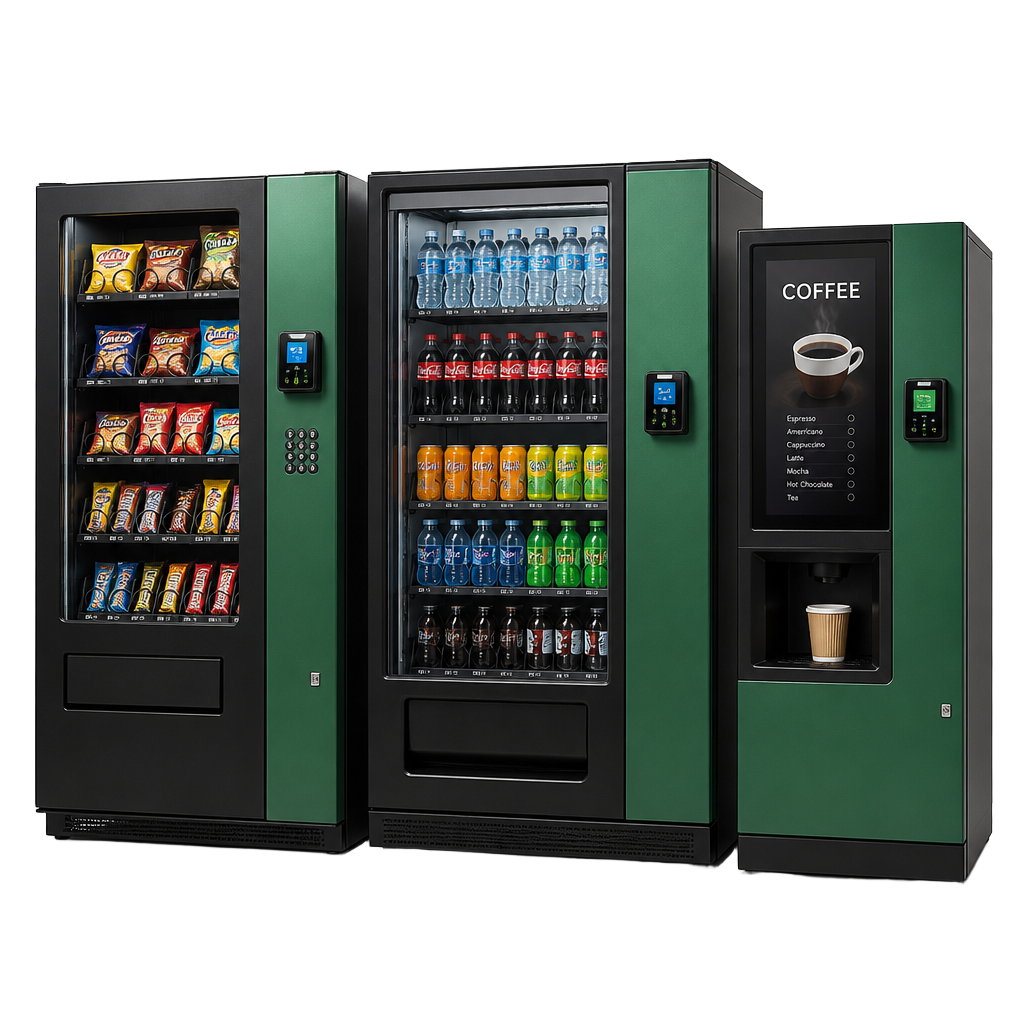
- Automated Vending Machines: Multi-temp combination units, smart micro-markets, and frozen food vendors placed in transport hubs and health precincts.
- Commercial Coffee & Catering Gear: High-volume espresso systems, commercial ovens, and kitchen equipment for Newcastle and Wollongong hospitality operators.
- Industrial & Workshop Machinery: CNC machines, vehicle hoists, and fabrication tools for manufacturing operations across Penrith and Western Sydney.
- Specialised Automated Systems: PPE dispensing hardware, secure cash ATMs, and smart locker systems for regional mining and logistics corridors.
NSW Lender Assessment and Approval Criteria
Lenders on the Vending Finance marketplace evaluate NSW chattel mortgage applications using practical commercial metrics. For established operators with a clean credit history and active GST registration, low-doc pathways often streamline approval without requiring full tax returns. Panel lenders typically look at key criteria when reviewing your application:
- Active ABN and GST Registration: A minimum trading period (often 12–24 months) strengthens the application profile.
- Credit Profile & Asset Usage: Demonstrable business purpose for revenue-generating or cost-reducing equipment.
- Site Contracts or Cash Flow Proof: Location agreements in high-footfall sites, such as Sydney transport interchanges or regional hospitals, validate income potential.
- Asset Suitability: Equipment must be fit for purpose, verified via tax invoice from a recognized supplier or vendor.
End-of-Term Options and Managing Residual Values
At the end of your chattel mortgage term, paying the final instalment settles the debt in full, and the lender removes their PPSR registration, leaving the asset entirely encumbered-free under your ownership. If your agreement includes a balloon payment (a residual liability structured to lower monthly repayments), you have three standard options: pay the balloon out using existing cash flow, refinance the balloon amount into a new loan agreement, or trade in the equipment for an upgraded model. To explore your options, use our free online repayment calculator, apply online today, or call our team on 0412 025 552.
What lenders look at in New South Wales
A NSW worked example
A Parramatta vending operator secures a $60,000 chattel mortgage for five multi-temperature combination machines. The lender takes a PPSR charge over the assets while the operator assumes immediate legal ownership. With an upfront $6,000 GST input tax credit claimed in their next BAS (subject to accountant advice) and a 20% balloon payment at month 36, monthly cash flow remains manageable while servicing high-footfall transport hubs across Western Sydney.
Illustrative only. We are a referral marketplace, not a lender or broker — lenders set their own criteria, rates and terms, and no approval is guaranteed.
Run the numbers
NSW questions we get asked
How does a chattel mortgage differ from rent-to-own for NSW vending operators?
Under a chattel mortgage, your business owns the machine from settlement, allowing you to claim potential tax depreciation and upfront GST credits immediately, provided your accountant confirms eligibility. Rent-to-own operates as an operating arrangement where the funder retains ownership, and payments are typically treated as an ongoing operating expense.
Can I include a balloon payment on vending equipment in NSW?
Yes. Lenders regularly structure chattel mortgages with balloon payments (residual values) ranging from 10% to 30%. This reduces monthly repayments, allowing operators servicing locations like Newcastle or Penrith to align outgoing finance costs with incoming monthly vending revenues.
Do I need a cash deposit to secure a chattel mortgage in New South Wales?
Upfront costs are generally minimal. Most NSW applicants finance 100% of the equipment purchase price. You may only need upfront funds if the lender requests a cash deposit or if you choose to pay establishment fees out of pocket rather than rolling them into the total loan amount.
What financial documents are required for low-doc chattel mortgage approval?
Lenders assess your trading history, credit profile, and existing revenue streams. Established NSW businesses with an active ABN and GST registration often qualify for streamlined low-doc approval, whereas start-ups may need to provide profit-and-loss statements, bank statements, or proof of site location contracts.
Next steps
Chattel mortgage in other states
Ready to see what NSW lenders can do?
Five-minute enquiry, no obligation. We pass your details to lenders who fund vending and equipment purchases and may receive a commission if a deal proceeds.

Secure yourRent to Own
Get vending machines on the road now and own them at the end of the term. New and established operators, Australia-wide — no financials required in many cases.
0% down options
Instant approval for qualified fleets