New South Wales · Fixed term with a residual
Finance lease in New South Wales
A finance lease in NSW allows businesses to rent revenue-generating equipment—such as vending machines, coffee units, or automated micro-markets—for a fixed term. The funder owns the asset while your business pays monthly, preserving working capital with flexible end-of-term options across Sydney and regional markets.
New South Wales businesses from Sydney CBD office towers to Newcastle industrial sites rely on finance leases to secure high-yield commercial equipment without capital lock-up. Under a finance lease, a lender purchases the asset on your behalf while your business makes fixed monthly payments for operational use. This structure suits expanding fleet operators, hospitality groups, and logistics hubs seeking modern vending, coffee, or automated retail assets across key NSW economic corridors. Explore competitive options from Australia’s leading commercial lenders through Vending Finance to support your growth.
How a Finance Lease Works for NSW Businesses
A finance lease allows NSW operators to acquire commercial equipment with zero upfront capital outflow. The funder buys the machinery and rents it to your business over a structured period, usually between 24 and 60 months. This setup allows companies to preserve cash reserves for inventory, site leases, and staff while placing income-producing assets directly into prime commercial locations across New South Wales.
- Zero upfront capital required to deploy new revenue-generating assets
- Fixed monthly rental payments simplify cash flow forecasting
- Flexible end-of-term choices: buyout, refinance, or upgrade
- Preserves existing bank overdrafts and credit lines for operational costs
Key Assets Financed Across NSW Corridors
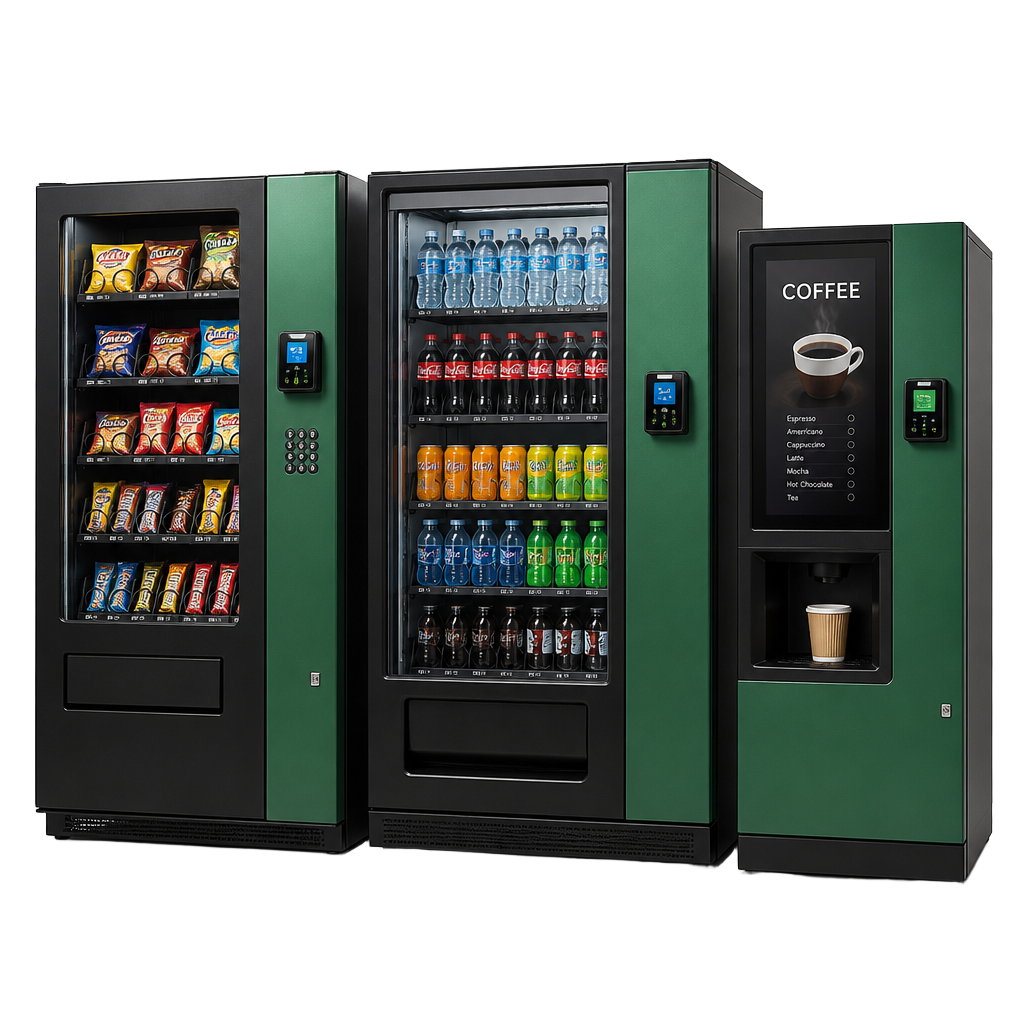
In New South Wales, finance leases support diverse sectors expanding their amenity and automated retail footprints. High-density corporate sites in Parramatta and Sydney CBD use this structure for premium smart vending and bean-to-cup coffee stations. Meanwhile, industrial hubs in Penrith, Wollongong, and Newcastle utilise finance leases for heavy-duty PPE dispensers, workshop machinery, and commercial food equipment.
- Smart vending machines and micro-market pantries for corporate offices
- Bean-to-cup commercial coffee machines for hospitality and health hubs
- Automated PPE safety equipment dispensers for manufacturing and logistics
- Self-service payment and ATM terminals for high-footfall retail sites
NSW Lender Assessment Criteria
Lenders on the Vending Finance panel review several key factors when assessing finance lease applications from New South Wales businesses. While criteria vary by funder, demonstrating steady trading history and stable site placement significantly improves approval prospects. Using our free online repayment calculator helps you structure rental payments aligned with your expected daily machine revenue.
- Active ABN with GST registration (minimum 12–24 months trading preferred)
- Proof of secure site agreements or commercial leases across NSW locations
- Strong business bank statements demonstrating consistent revenue stream
- Clear PPSR asset registration and clean commercial credit history
End-of-Term Residual Options in New South Wales
As your lease term nears completion, your business chooses how to manage the asset residual. You can pay the residual value to take full ownership, refinance the remaining balance over an extended period, or return the machinery and lease upgraded units to keep pace with modern vending and payment technology across your NSW sites.
- Pay the residual amount to gain 100% ownership of the equipment
- Refinance the residual value to spread remaining costs further
- Upgrade to newer equipment under a fresh finance lease agreement
- Return the equipment to the funder with no further residual obligation
What lenders look at in New South Wales
A NSW worked example
A Parramatta office precinct operator financing ten premium coffee and vending units valued at $100,000 via a finance lease. With no upfront capital required, the business pays $2,100 monthly over a 48-month term. The funder retains legal ownership while the operator deploys the machines across high-traffic commercial foyers to generate immediate retail revenue. At term end, the operator pays the agreed $15,000 residual value to purchase the fleet outright or rolls the contract into updated models, maintaining operational cash flow while modernising site amenities across Western Sydney.
Illustrative only. We are a referral marketplace, not a lender or broker — lenders set their own criteria, rates and terms, and no approval is guaranteed.
Run the numbers
NSW questions we get asked
Can regional NSW businesses apply for a finance lease?
Yes. Panel funders assess business operators across regional hubs including Newcastle, Wollongong, and Wagga Wagga. Lenders evaluate trading history, local site contracts, and cash flow stability using identical commercial credit criteria to Sydney-based applications.
Who owns the vending or coffee equipment during the lease term?
Under a finance lease, the lessor holds legal title throughout the payment term. Your NSW business retains full operational possession, enabling you to deploy, manage, and earn income from the assets across your commercial or industrial sites immediately.
What happens at the end of a finance lease agreement in NSW?
When your lease expires, you can pay the predetermined residual value to buy the equipment, return the assets to the funder, or refinance the residual amount to continue operating the machinery across your sites.
Are finance lease payments tax-deductible for NSW businesses?
Finance lease repayments are typically treated as operating expenses for income tax purposes, provided the asset generates assessable income. Because tax treatments vary based on your accounting structure, you should confirm specific deductions with your tax professional.
Next steps
Finance lease in other states
Ready to see what NSW lenders can do?
Five-minute enquiry, no obligation. We pass your details to lenders who fund vending and equipment purchases and may receive a commission if a deal proceeds.
Secure yourRent to Own
Get vending machines on the road now and own them at the end of the term. New and established operators, Australia-wide — no financials required in many cases.
0% down options
Instant approval for qualified fleets