South Australia · Fixed term with a residual
Finance lease in South Australia
A finance lease in South Australia allows your business to use commercial equipment—such as vending machines, coffee setups, or industrial units—for a fixed monthly payment while the financier retains ownership, with flexible end-of-term options including purchasing the asset via a residual payment.
Securing commercial equipment via a finance lease in South Australia allows businesses from Adelaide to Mount Gambier to access revenue-generating machinery without heavy upfront capital expenditure. Under a finance lease, the financier purchases the equipment on your behalf and leases it to your business for an agreed term in exchange for regular lease payments. This flexible structure preserves working capital for SA operators expanding across local retail, hospitality, industrial, and regional operations while maintaining predictable monthly cash outflows.
How Finance Leases Support SA Business Equipment Acquisition
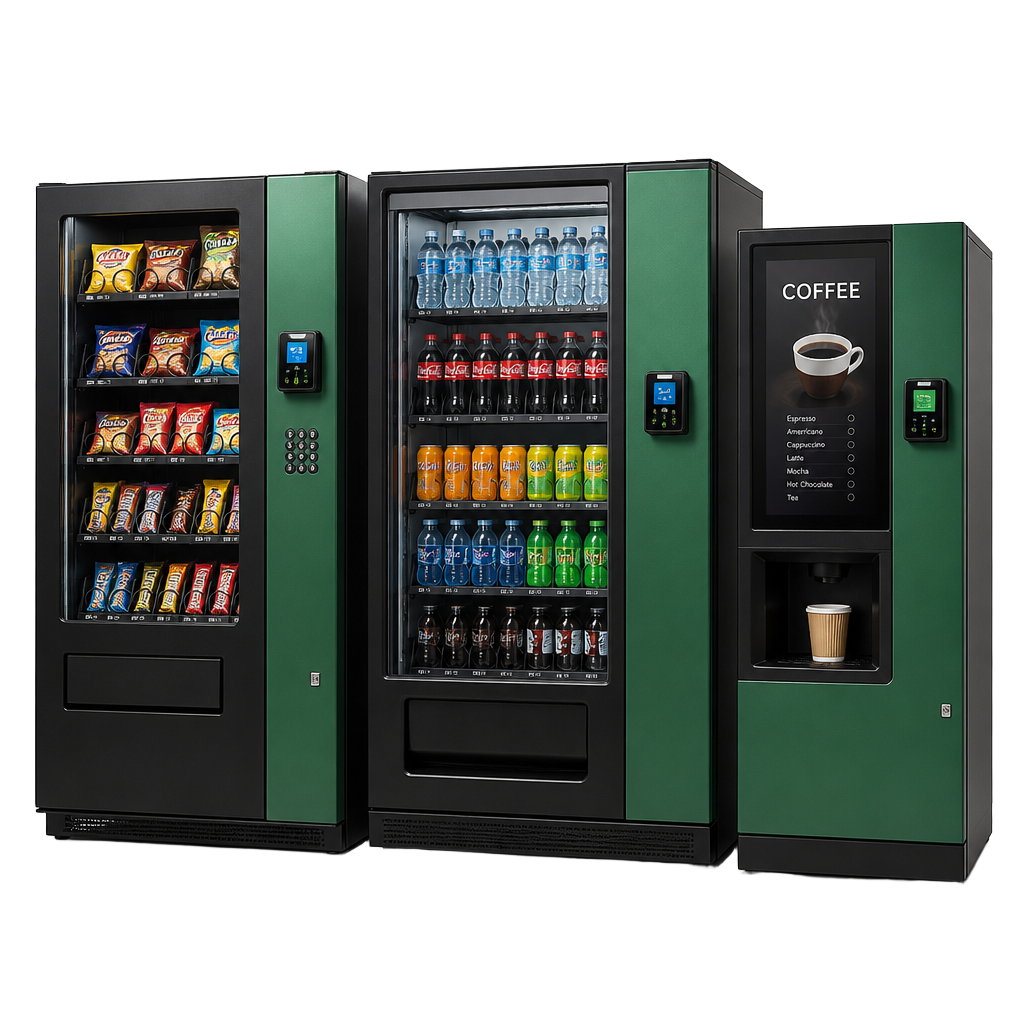
South Australian businesses utilise finance leases to acquire essential commercial machinery while spreading costs over time. This funding model is widely adopted by operators purchasing automated vending systems, commercial espresso machines, smart PPE lockers, cash ATMs, and commercial kitchen setups. Because the equipment itself serves as primary security, businesses can preserve cash reserves for inventory, staffing, and local operational expansion across Adelaide and regional South Australia.
- 24/7 automated vending machines and combination snack/drink systems
- Commercial coffee setups for hospitality venues and tourist corridors
- Smart PPE dispensers and industrial workshop equipment
- Automated teller machines (ATMs) for retail and venue sites
Lender Evaluation Criteria for South Australia Applicants
Equipment financiers reviewing SA applicants consider business stability, trading history, and cash flow reliability. While established South Australian enterprises with an active ABN may qualify for low-doc approval processes, panel lenders generally review bank statements, asset suitability, and proposed installation locations to ensure the equipment generates sufficient income to cover monthly lease obligations comfortably.
End-of-Term Options and Tax Considerations
At the conclusion of a finance lease term in South Australia, your business has several clear paths. You can pay the predetermined residual value to take full ownership of the equipment, extend the lease to continue using the asset, trade in the machinery for modern models under a new contract, or return the equipment to the lessor. Speak with your accountant to determine the optimal tax and operational choice for your business.
Explore Finance Lease Options in South Australia
Navigating finance options is straightforward through VendingFinance.com.au. As a dedicated referral marketplace, we connect South Australian business owners with specialised equipment lenders competitive in your industry. Use our free online repayment calculator to estimate potential monthly commitments, submit an online enquiry, or speak directly with our team on 0412 025 552 to explore suitable funding options today.
What lenders look at in South Australia
A SA worked example
A Adelaide Hills winery operator installs two premium commercial coffee machines and a refrigerated vending unit valued at $40,000 total. Opting for a 48-month finance lease, the business pays fixed monthly rentals of $980. The financier retains ownership while the winery uses the equipment daily to generate retail revenue. At term end, the business can pay the agreed residual value to acquire full ownership, upgrade to newer models under a fresh lease, or return the machinery to the lessor. (78 words)
Illustrative only. We are a referral marketplace, not a lender or broker — lenders set their own criteria, rates and terms, and no approval is guaranteed.
Run the numbers
SA questions we get asked
Who owns the equipment during a finance lease in SA?
Under a finance lease, the lessor holds legal title throughout the term. However, your South Australia business gains full operational use. At the end of the term, you may acquire full ownership by paying the residual value, extend the lease, or return the asset.
What do lenders look for when approving an SA finance lease?
Lessors on the panel evaluate your ABN status, credit history, business bank statements, and trading history in SA. Established operators with strong cash flow often access streamlined approval, while newer businesses may need extra income verification or backing.
Can I use a finance lease for second-hand commercial equipment in SA?
Yes, finance lease arrangements can be applied to new or quality used revenue-generating assets, including vending equipment, commercial coffee setups, and workshop machinery, provided the asset meets the lender's age and condition criteria.
How are finance lease payments treated for tax purposes in South Australia?
Finance lease payments are generally tax-deductible as operating expenses if used for income production. GST handling and balance sheet treatment depend on accounting standards. Always consult a qualified SA accountant regarding your specific tax situation.
Next steps
Finance lease in other states
Ready to see what SA lenders can do?
Five-minute enquiry, no obligation. We pass your details to lenders who fund vending and equipment purchases and may receive a commission if a deal proceeds.
Secure yourRent to Own
Get vending machines on the road now and own them at the end of the term. New and established operators, Australia-wide — no financials required in many cases.
0% down options
Instant approval for qualified fleets