
Australian Capital Territory · Hire now, own at the end
Commercial hire purchase in Australian Capital Territory
Commercial hire purchase (CHP) in the Australian Capital Territory allows businesses to hire commercial equipment over a fixed term with automatic transfer of ownership upon the final payment. ACT operators gain immediate asset use, predictable cash flow, and potential upfront GST tax benefits.
Commercial hire purchase (CHP) offers Australian Capital Territory businesses a clear path to owning revenue-generating equipment while maintaining cash flow. Across Canberra’s commercial hubs—from Civic office precincts to light industrial zones in Fyshwick and Mitchell—operators use CHP to secure smart vending machines, commercial coffee setups, ATMs, and workshop gear. Under a CHP agreement, the financier purchases the equipment on your behalf and hires it back to your ACT business over a fixed term. Once the final payment is made, full ownership transfers to you, allowing Canberra enterprises to build equity while generating immediate daily returns.
How Commercial Hire Purchase Works for ACT Operators
In the Australian Capital Territory, commercial hire purchase provides a structured finance solution for businesses expanding their equipment footprint. Unlike standard leases, CHP is designed for ultimate asset ownership. The lender retains legal title during the hire term, while your business holds beneficial ownership, allowing you to deploy equipment immediately into Canberra’s high-traffic locations. Daily operations across government offices, educational campuses, and health corridors benefit from predictable, fixed monthly repayments that align neatly with ongoing cash inflows.
Target Equipment and Sites Across Canberra and Queanbeyan
The ACT marketplace features a unique economic mix dominated by public administration, defense, technology, and supporting service industries. Commercial hire purchase effectively finances diverse automated and commercial assets suited to this landscape:
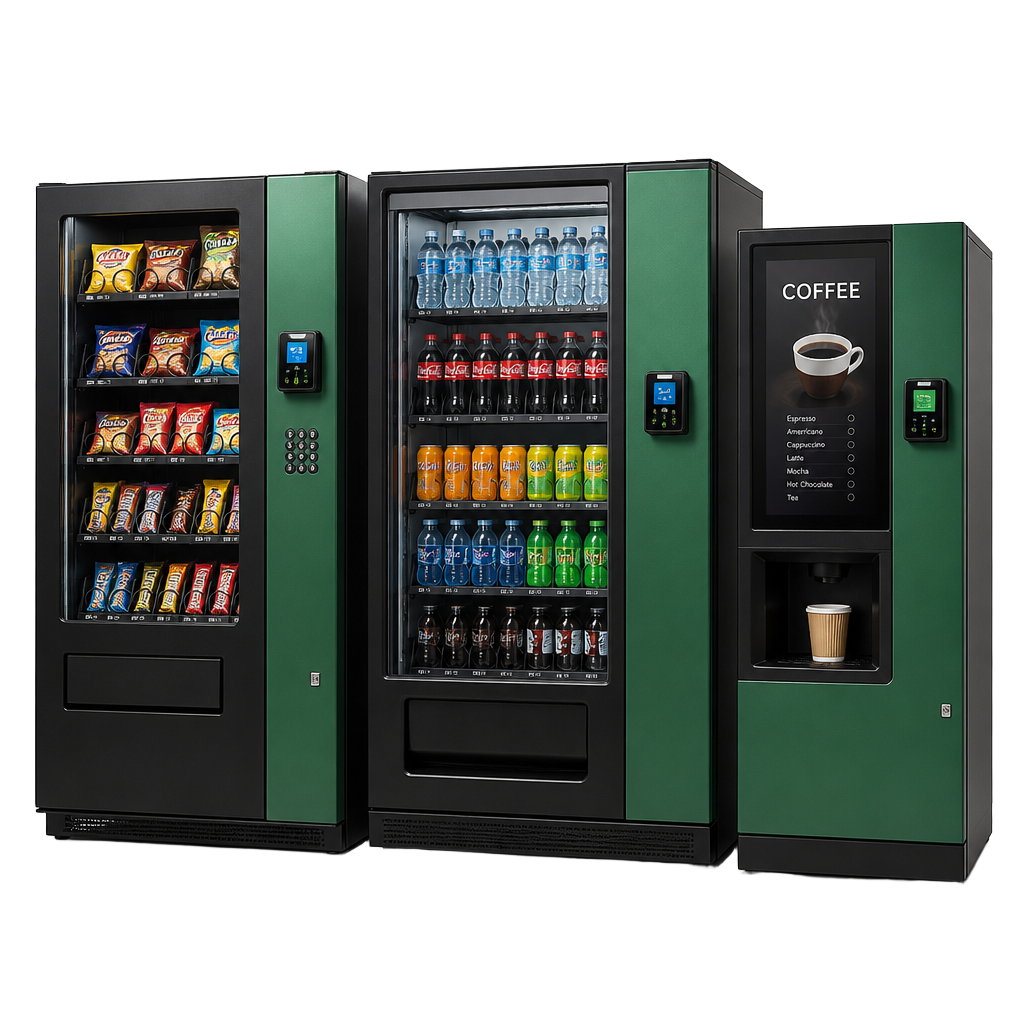
- Automated vending machines placed in government departments, Belconnen town centres, and Gungahlin retail hubs
- Bean-to-cup coffee equipment for corporate offices in Civic and healthcare facilities in Garran
- Automated PPE dispensing machines for construction and workshop sites in Fyshwick, Mitchell, and Hume
- Independent ATM units installed in hospitality venues across Canberra and cross-border Queanbeyan sites
- Commercial kitchen and catering equipment for Canberra’s vibrant food and beverage sector
Lender Guidelines for ACT Finance Applicants
Lenders on the Vending Finance marketplace evaluate ACT applicants using practical commercial criteria. A clear trading history, valid ABN, and proof of steady revenue strengthen your submission. For vending and ATM assets, financiers pay close attention to your site placement agreements—agreements with high-footfall host locations in Civic, Tuggeranong, or institutional precincts significantly enhance application strength. Low-doc options may be available for established ACT businesses acquiring standard commercial equipment.
Tax Structure and End-of-Term Ownership
Commercial hire purchase offers distinct balance sheet and tax considerations for ACT businesses. If registered for GST, your business can typically claim the full Input Tax Credit (ITC) on the asset's purchase price upfront on your next Business Activity Statement. Additionally, interest charges and annual equipment depreciation may be tax-deductible. At the conclusion of the hire term, paying the final instalment automatically passes legal title to your business. Always confirm your specific tax position with a qualified accountant.
Get Started with Commercial Hire Purchase in the ACT
Navigating equipment finance across Canberra and region requires tailored options. Vending Finance connects ACT operators with leading commercial lenders competing for your business. Use our free repayment calculator to estimate monthly cash flows, then submit an online inquiry or call 0412 025 552 to discuss your commercial hire purchase options today.
What lenders look at in Australian Capital Territory
A ACT worked example
A Belconnen-based facility maintenance operator acquires three combination vending units valued at $30,000 to serve government office hubs. Under a 48-month commercial hire purchase at an agreed interest rate, monthly repayments are fixed at roughly $710. The business claims input tax credits on the upfront purchase price on their next BAS (if GST-registered) and claims interest and equipment depreciation as tax deductions. Upon making the final monthly payment and option fee, title automatically passes from the financier to the ACT operator, providing full equity in the revenue-generating assets.
Illustrative only. We are a referral marketplace, not a lender or broker — lenders set their own criteria, rates and terms, and no approval is guaranteed.
Run the numbers
ACT questions we get asked
Can ACT businesses claim GST upfront on a commercial hire purchase?
Yes, GST-registered ACT businesses claiming on a cash basis can generally claim the full Input Tax Credit (ITC) on the equipment purchase price on their next Business Activity Statement (BAS), rather than waiting across the term. Consult your accountant to verify your tax position.
What do lenders look for when financing vending machines in the ACT?
Financiers review your ABN registration length, trading history, bank statements, asset selection, and location agreement. High-footfall locations in Civic, parliamentary precincts, or major town centres significantly strengthen your application.
What happens at the end of a commercial hire purchase agreement?
Under a commercial hire purchase, ownership transfers to your business automatically once the final monthly instalment and any agreed residual or option fee are paid. There are no return requirements or ongoing lease payments.
Can I use CHP for equipment other than vending machines in Canberra?
Yes, CHP agreements can cover diverse commercial assets across Canberra, including office coffee setups, public-access ATMs, commercial kitchen fit-outs, workshop machinery, and automated safety PPE dispensing stations.
Next steps
Commercial hire purchase in other states
Ready to see what ACT lenders can do?
Five-minute enquiry, no obligation. We pass your details to lenders who fund vending and equipment purchases and may receive a commission if a deal proceeds.
Secure yourRent to Own
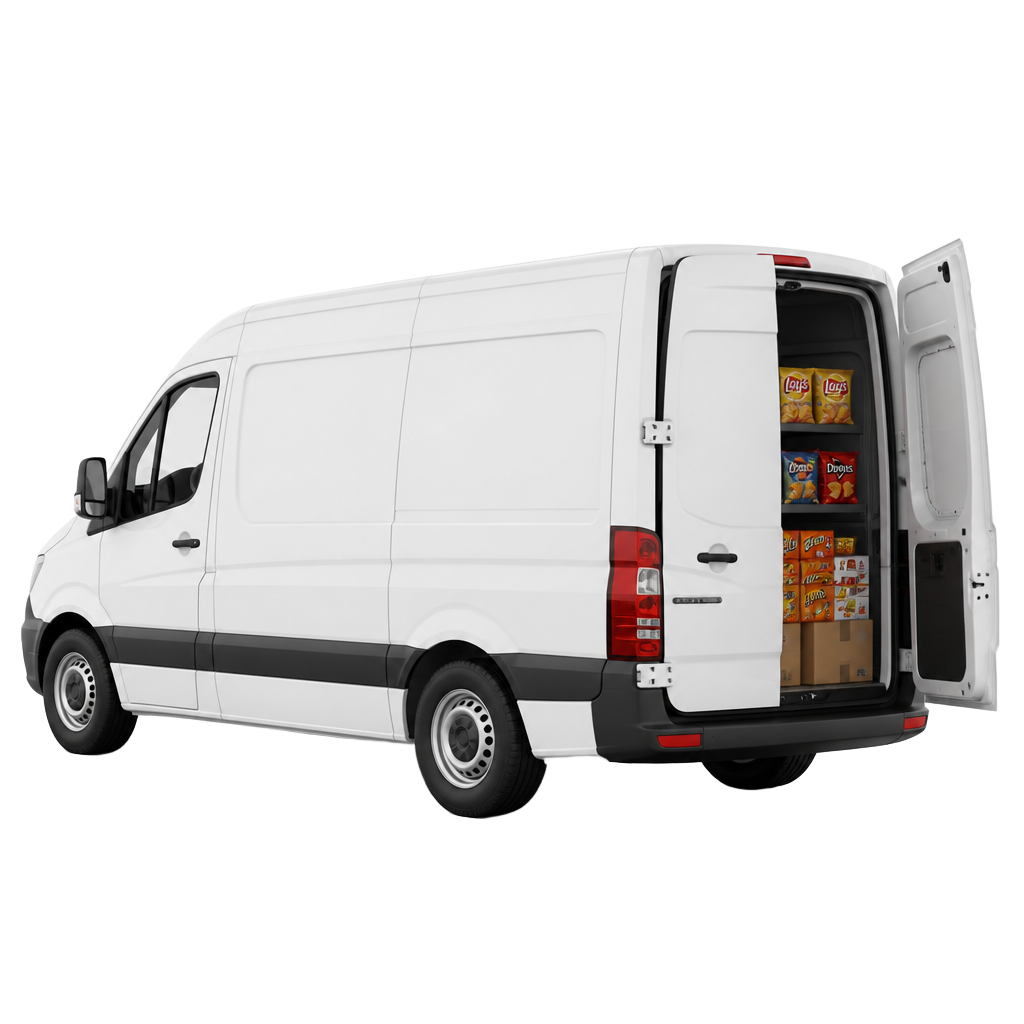
Get vending machines on the road now and own them at the end of the term. New and established operators, Australia-wide — no financials required in many cases.
0% down options
Instant approval for qualified fleets