
Northern Territory · On balance sheet under AASB 16
Capital lease in Northern Territory
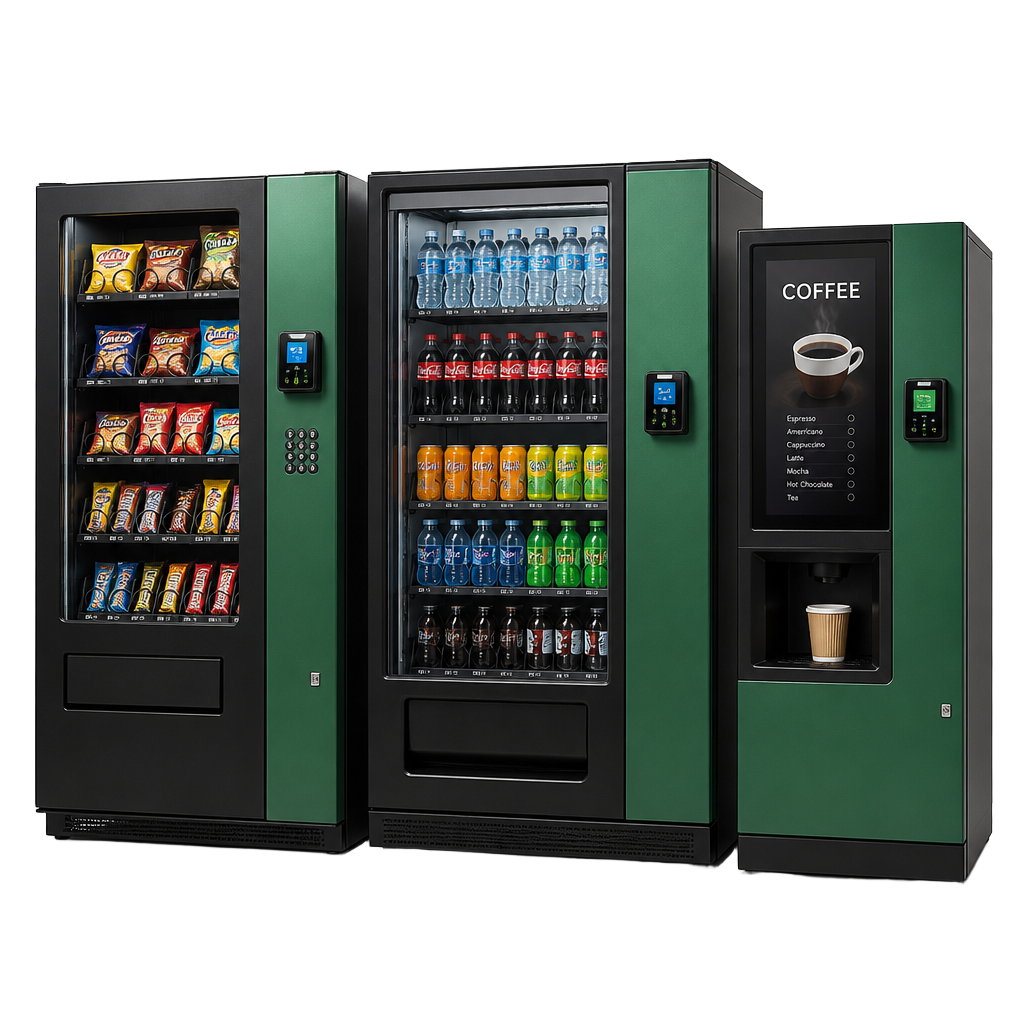
A capital lease in the Northern Territory is a long-term commercial finance structure where an NT business leases equipment—such as vending machines or catering units—while recording the asset on its balance sheet. You gain operational ownership immediately and acquire title upon paying the final residual.
Securing commercial equipment across the Northern Territory requires funding structures built for unique tropical, remote, and seasonal operating conditions. A capital lease allows Darwin, Palmerston, and Alice Springs businesses to acquire revenue-generating vending machines, coffee dispensers, smart lockers, and catering gear while balance-sheet funding drives long-term asset ownership. By treating the equipment as an owned asset for accounting purposes, NT operators can expand across defence bases, mining camps, and tourism hubs without draining upfront cash reserves. Vending Finance connects Northern Territory enterprises with specialised equipment lenders competitive in regional and remote commercial finance.
How a Capital Lease Works in the Northern Territory,list:[
A capital lease provides Northern Territory businesses with immediate operational control of essential assets while structuring payments over a fixed term. Unlike standard rental arrangements, a capital lease transfers substantially all the risks and rewards of ownership to the lessee. This makes it ideal for NT businesses installing durable, income-producing equipment in high-traffic commercial environments.
Common Equipment Financed via Capital Lease in the NT,list:[
Territory businesses across various sectors utilize capital leases to install revenue-generating equipment without large capital outlays. From automated vending solutions in Palmerston retail centers to heavy-duty espresso machines in Alice Springs cafes, this structure supports balance-sheet growth.
What Panel Lenders Assess for NT Applicants,list:[
Financiers evaluating NT capital lease applications look beyond basic credit scores to assess environmental and regional risk factors. Because Northern Territory operations deal with distinct seasonal swings, lenders evaluate seasonal cash flow resilience, transport logistics, and site stability.
End-of-Term Outcomes and Title Transfer,list:[
At the conclusion of a capital lease, NT operators have clear pathways to secure total asset ownership. Once all structured monthly payments and any pre-agreed residual value or offer to purchase are settled, ownership title transfers directly to your business. This allows long-term asset retention without ongoing lease expenses, ensuring your vending units, smart lockers, or workshop equipment continue generating net revenue across your Northern Territory sites.
What lenders look at in Northern Territory
A NT worked example
A Darwin hospitality operator installs two commercial vending units at a Larrakeyah defence contractor site, valued at $30,000 total. Under a four-year capital lease, the business makes fixed monthly payments while taking full operational control. Because the contract meets capital lease criteria, the assets appear on the balance sheet, enabling depreciation claims over time alongside interest expenses. At the end of the 48-month term, paying the final residual value transfers title directly to the operator, securing a permanent, high-yield revenue stream across the Top End without tying up working capital.
Illustrative only. We are a referral marketplace, not a lender or broker — lenders set their own criteria, rates and terms, and no approval is guaranteed.
Run the numbers
NT questions we get asked
What is the difference between a capital lease and an operating lease in the NT?
A capital lease is recorded as an asset and a corresponding liability on your balance sheet, transferring ownership risks and benefits to you. An operating lease is treated as an off-balance-sheet rental expense where the financier retains ownership risks. Always consult a qualified accountant regarding AASB 16 compliance.
What do lenders assess for NT capital lease applications?
Lenders evaluate business continuity, remote site access, cash flow stability, asset mobility, and trading history. Strong performance across seasonal cycles—such as the Top End Wet and Dry seasons—helps demonstrate repayment reliability when financing capital assets in the NT.
Can regional NT businesses in Katherine or Alice Springs apply?
Yes. Remote businesses in places like Tennant Creek or Katherine can apply. Lenders evaluate freight costs, asset durability, and remote logistics, but distance itself does not prevent qualified ABN holders from securing competitive capital lease options.
Do I own the equipment at the end of the capital lease term?
Generally, yes. While the financier maintains a security interest via the PPSR during the lease term, capital leases are structured so you take full ownership once all lease payments and the final residual value are paid.
Next steps
Capital lease in other states
Ready to see what NT lenders can do?
Five-minute enquiry, no obligation. We pass your details to lenders who fund vending and equipment purchases and may receive a commission if a deal proceeds.
Secure yourRent to Own
Get vending machines on the road now and own them at the end of the term. New and established operators, Australia-wide — no financials required in many cases.
0% down options
Instant approval for qualified fleets