
New South Wales · On balance sheet under AASB 16
Capital lease in New South Wales
A capital lease in NSW is a long-term commercial finance structure allowing businesses to acquire revenue-generating equipment while placing the asset and liability directly on their balance sheet. With fixed monthly repayments, NSW operators gain full ownership of the equipment at the end of the lease term.
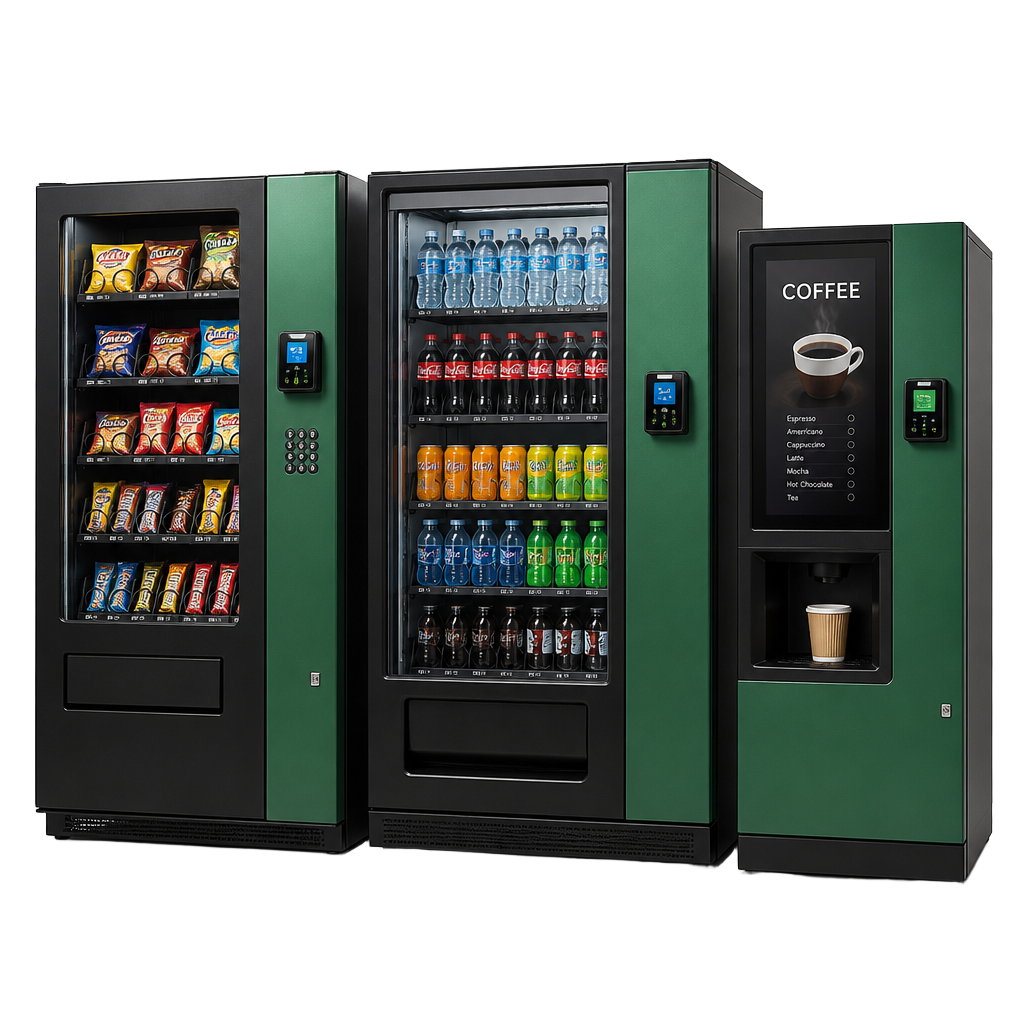
For New South Wales businesses securing high-yield commercial assets, a capital lease NSW structure provides a clear, balance-sheet-supported pathway to full equipment ownership. From bustling high-density retail arcades in Parramatta and Penrith to expanding industrial hubs around Newcastle and Wollongong, acquiring machinery without depleting cash reserves is vital. Capital leasing allows NSW operators to fund revenue-generating hardware—such as smart vending units, commercial coffee setups, and automated retail dispensing systems—while retaining working capital. Vending Finance connects you with tailored finance options from our qualified panel of Australian lenders.
Understanding Capital Leases for New South Wales Businesses
A capital lease allows NSW business owners to treat financed assets similarly to outright purchases for accounting purposes, while spreading expenditure over a manageable term. Under Australian accounting standard AASB 16, the equipment is recognized on your balance sheet as a right-of-use asset alongside a matching lease liability. This structure enables NSW businesses to claim asset depreciation and interest expenses, aiding tax planning when acquiring commercial vending units, coffee machines, specialized PPE dispensers, or commercial kitchen equipment. Because local market conditions demand continuous cash flow, capital leasing ensures your business secures necessary capital assets without major upfront capital outlays.
Commercial Asset Applications Across NSW Site Types
Across New South Wales, commercial sites require reliable, self-service automated machinery to cater to dense populations and active industrial zones. Capital leases are widely utilized by operators placing smart combination vending machines, industrial workplace PPE systems, and automated coffee dispensers into busy environments. Primary site footprints across NSW include:
- Corporate headquarters and tech hubs in Sydney CBD, Parramatta, and Macquarie Park.
- Distribution warehouses, transport depots, and logistics parks in Penrith and Western Sydney.
- Heavy industrial sites, fabrication yards, and port precincts across Newcastle and Wollongong.
- Regional healthcare facilities, TAFE campuses, and council depots in Wagga Wagga and Coffs Harbour.
Lender Assessment Criteria for NSW Applicants
Panel lenders serving New South Wales assess applications based on business stability, credit profile, and the profit potential of the equipment. Applicants typically present an active Australian Business Number (ABN), GST registration, and trading records. While established businesses with two years of trading access streamlined documentation, specialized low-doc options are available for growing fleets. Lenders also review PPSR asset registration requirements and your capacity to service fixed lease terms ranging from 24 to 60 months. Financing both new and used machinery is supported, provided the equipment meets age and economic life criteria.
End-of-Term Outcomes and Asset Title Transfer
At the end of a capital lease term, the primary objective is transferring total ownership to the tenant business. Unlike operating leases where equipment is handed back, a capital lease includes a clear path to ownership. Once all scheduled monthly lease payments are completed, along with any predetermined residual or nominal buyout fee (often as low as $1), title transfers directly to your NSW business. This allows operators to continue generating recurring revenue from their vending machines, coffee units, or workshop gear long after the finance contract has concluded.
Compare Capital Lease Options with Vending Finance
Selecting the appropriate equipment finance structure depends on your tax strategy, cash flow, and operational expansion goals across New South Wales. Vending Finance provides a free repayment calculator to help you project monthly lease costs instantly. As a referral marketplace, we link your business directly with accredited lenders who understand the NSW commercial environment. Take the next step toward expanding your fleet today: apply online or call our finance specialists on 0412 025 552.
What lenders look at in New South Wales
A NSW worked example
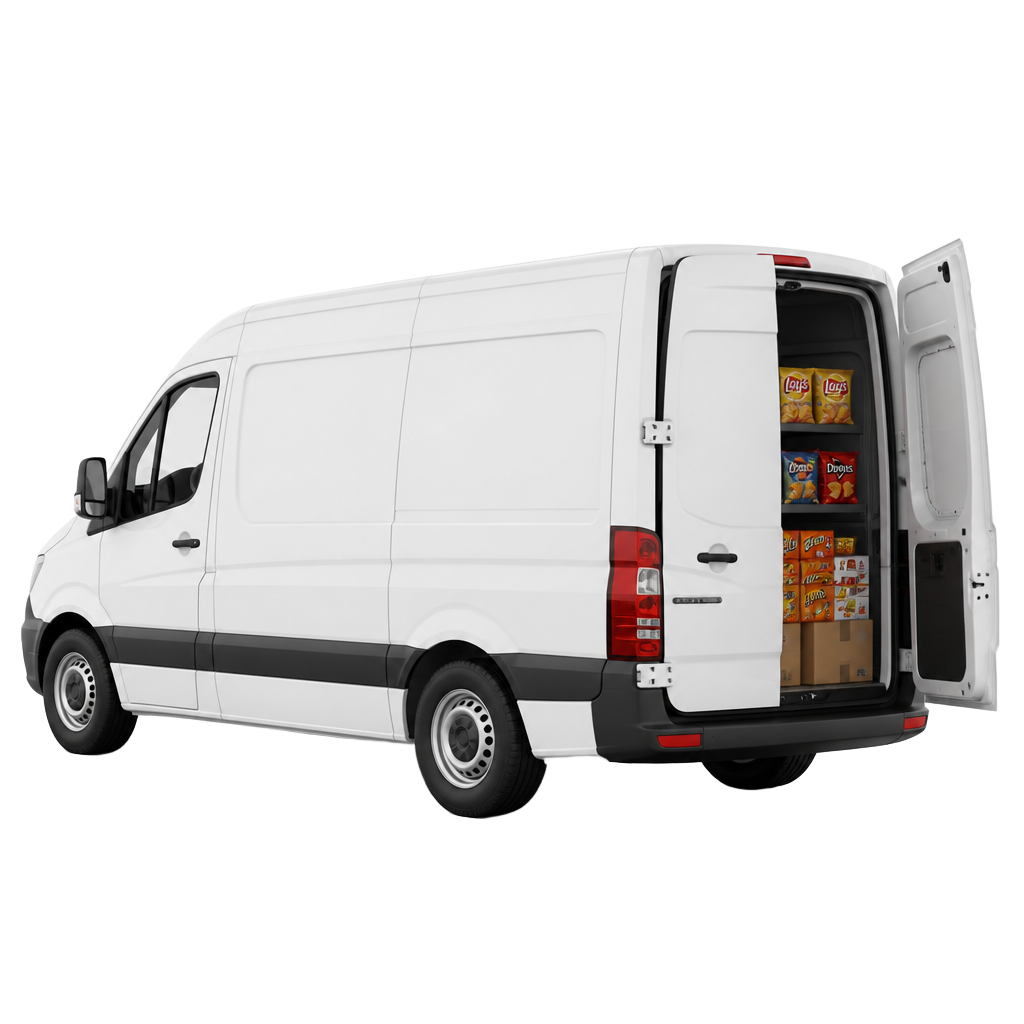
Consider a logistics operator in Parramatta upgrading automated snack and coffee amenities across three Western Sydney depots. Acquiring six heavy-duty vending units valued at $60,000 via a 48-month capital lease structure requires zero upfront capital outlay. Monthly lease installments are fixed at approximately $1,450. Under AASB 16 balance sheet rules, the business records the $60,000 asset alongside a corresponding lease liability, claiming regular depreciation and interest expenses against its NSW revenue. At the conclusion of the 48-month term, paying a nominal $1 residual title fee transfers total ownership of the equipment directly to the operator.
Illustrative only. We are a referral marketplace, not a lender or broker — lenders set their own criteria, rates and terms, and no approval is guaranteed.
Run the numbers
NSW questions we get asked
How does a capital lease impact my balance sheet in NSW?
Under Australian accounting standard AASB 16, a capital lease requires the leased asset and corresponding liability to be recorded directly on your business balance sheet. You generally claim asset depreciation and lease interest as tax deductions. Because tax treatment varies by entity structure, always consult your accountant.
What are the eligibility requirements for a capital lease in NSW?
Lenders evaluate your active ABN status, GST registration, trading history, and cash flow stability. Panel funders assess bank statements or tax returns to confirm your business can easily service the fixed monthly lease repayments across high-density metro or regional operations.
Can I finance used equipment with a capital lease in New South Wales?
Yes, commercial capital leases in NSW can cover both brand-new and qualified second-hand equipment. Lenders evaluate the age, overall condition, and expected economic working life of used vending, coffee, or industrial equipment to determine appropriate term lengths.
What happens at the end of a capital lease term in NSW?
Unlike an operating lease where equipment is frequently returned to the financier, a capital lease is designed for permanent ownership. At the end of the term, paying a predetermined nominal fee or balloon payment transfers absolute title and ownership to your business.
Next steps
Capital lease in other states
Ready to see what NSW lenders can do?
Five-minute enquiry, no obligation. We pass your details to lenders who fund vending and equipment purchases and may receive a commission if a deal proceeds.
Secure yourRent to Own
Get vending machines on the road now and own them at the end of the term. New and established operators, Australia-wide — no financials required in many cases.
0% down options
Instant approval for qualified fleets