Vending Machine Finance: Compare Your Options
23 November 2026
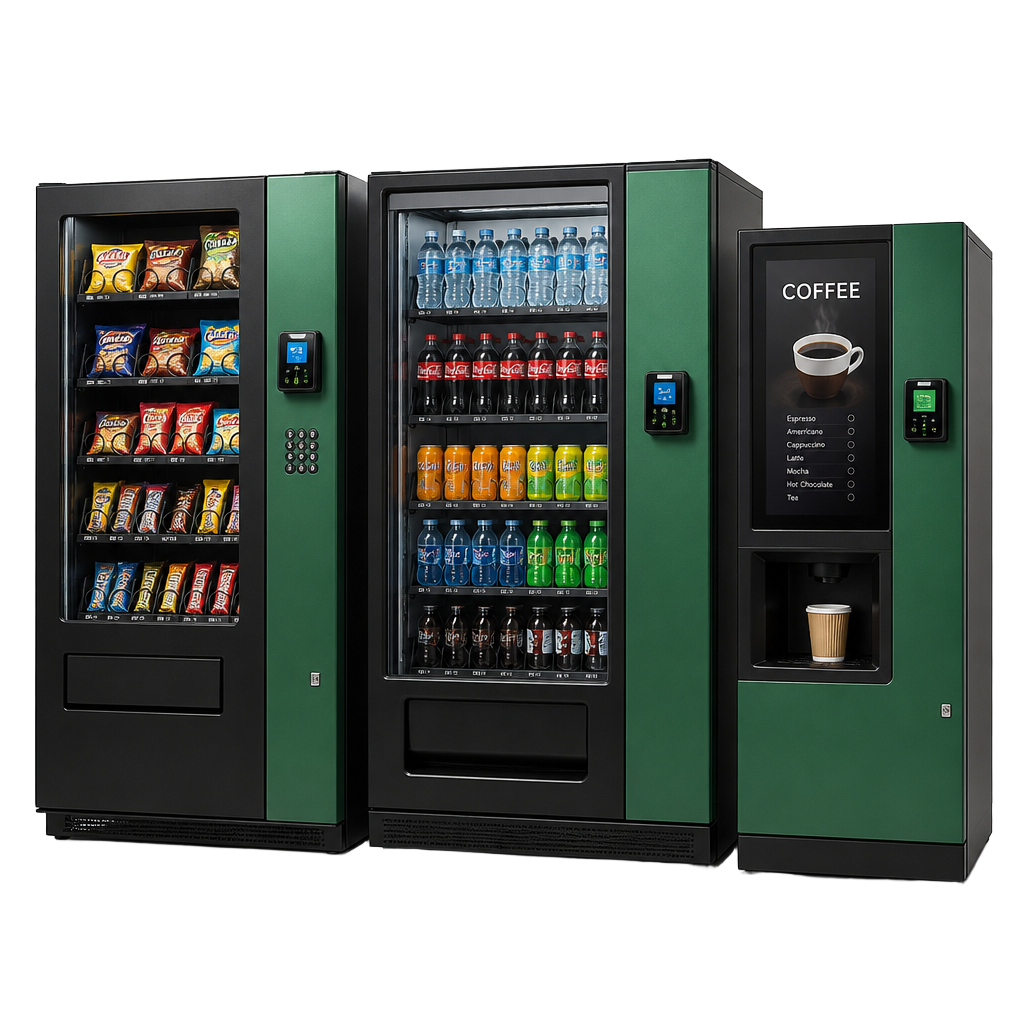
Vending machine finance can help you spread the cost of buying or accessing machines, rather than paying the full equipment cost upfront. The right option depends on your site, expected cash flow, ownership goals and the terms offered by the lender or equipment provider.
How vending machine finance options differ
Start by deciding whether you want to own the machine, use it for a defined period or test a location before making a longer commitment. Product names alone do not tell you what a contract includes.
- Equipment loan: You borrow to purchase a machine and repay the lender over an agreed term. Check whether the machine is security for the loan and whether other security or a personal guarantee is required.
- Lease: You pay to use equipment under an agreement. Ownership, end-of-term options and any final payment depend on the contract.
- Rental: You pay for access to a machine, sometimes with servicing included. Check minimum terms, cancellation costs and responsibility for repairs.
- Rent-to-own: Payments may lead to ownership once contractual conditions are met. Confirm the total amount payable, when ownership transfers and what happens if you exit early.
Ask your accountant how each arrangement may affect your business, including GST, deductions and record keeping. Do not assume that similar monthly payments mean similar overall costs or tax treatment.
Compare the full cost, not just repayments
A manageable repayment can still leave you short of working capital if installation, stock and servicing are excluded. Request an itemised machine quote and a written breakdown of the proposed finance arrangement.
Compare these costs across your shortlist:
- Machine price, delivery, positioning and installation.
- Establishment, documentation and ongoing account fees.
- Repayment frequency, term and any final or residual payment.
- Card reader hardware, activation, connectivity and transaction charges.
- Software subscriptions, remote monitoring and inventory tools.
- Insurance, maintenance, replacement parts and call-out charges.
- Early payout, contract termination and equipment return costs.
Ask which costs can be included in finance and which must be paid upfront. Also check whether quoted amounts include GST and whether optional extras have been added. Compare the total contractual amount payable alongside the regular payment, rather than treating the cheapest-looking repayment as the best value.
Secure a suitable site before committing
A machine needs a commercially useful location, not just space beside a power point. Assess foot traffic, customer needs, nearby alternatives, opening hours and access for restocking. A workplace with predictable attendance may require a different product range from a gym, accommodation property or public waiting area.
Get the placement arrangement in writing. Confirm who can approve the installation and whether the site operator has authority to grant access for the intended period.
Questions to settle include:
- Is there site rent, a sales-based commission or another payment?
- Who pays for electricity, internet access and any site works?
- Can you access the machine for restocking and urgent repairs?
- Are there restrictions on products, prices, signage or operating hours?
- What notice is required if either party ends the arrangement?
Avoid relying on a verbal promise that the machine can stay indefinitely. If the site agreement ends before your finance contract, you may still owe repayments while looking for another location.
Build a cash flow forecast that allows for setbacks
Estimate sales using evidence from the proposed site wherever possible. Speak with the site manager about occupancy patterns, shift times, seasonal closures and customer preferences. Treat supplier sales projections as assumptions to test, not guaranteed income.
Work from sales revenue to the cash available after stock purchases, site payments, payment processing, servicing, insurance and finance repayments. Allow for spoilage, refunds, theft, travel and the time involved in replenishing the machine.
Prepare a quieter-sales scenario as well as your expected case. Consider what happens if installation is delayed, the machine is offline or the site closes temporarily. Check when repayments begin and whether you can fund them before trading settles into a routine.
Keep a separate allowance for opening stock and unexpected repairs. Financing the machine does not automatically fund every operating expense. For an existing vending business, review actual sales and service records from comparable machines before deciding how much additional repayment your cash flow can support.
Check the machine and payment technology
The equipment should suit both the site and your operating capacity. Check product capacity, refrigeration requirements, dimensions, power supply, security features and whether the machine can fit through the delivery route.
For used or refurbished machines, request details of age, condition, service history, warranty and parts availability. Confirm who has inspected the equipment and whether any known faults remain. A lower purchase price may be outweighed by repeated repairs or unavailable components.
Card readers deserve their own review. Ask whether the reader supports the payment methods your customers expect, whether coverage is reliable at the site and which provider manages transaction settlement. Check connectivity charges, payout timing, refund handling and whether transaction data can be exported.
Remote monitoring can help identify low stock and faults, but confirm compatibility and subscription costs. Ask who owns the account and whether access can transfer if you change service providers.
Read the finance and service agreements together
The finance contract, equipment purchase agreement, warranty and maintenance arrangement may involve different businesses. Understand who is responsible when something goes wrong, rather than assuming the lender will resolve equipment problems.
Before signing, ask:
- What happens to repayments if the machine stops working?
- Who handles warranty claims, and what labour or travel costs are excluded?
- Is there a required service schedule or approved repairer?
- Can the machine be relocated, sold or upgraded during the term?
- What happens at the end of the agreement?
- Are there personal guarantees, security requirements or default charges?
Request unclear terms in writing and keep copies of all signed documents. If a final payment or purchase option applies, include it in your cash flow planning. Consider independent legal advice for obligations you do not understand, especially guarantees and early termination provisions.
Prepare information for a lender review
Requirements vary by lender and product, so ask what is needed before submitting an application. Common requests may include identification, business details, bank statements, financial information, an equipment quote and details of existing commitments.
For a new operation, prepare a practical business plan covering the proposed site, product range, expected operating costs and how repayments would be funded during the start-up period. For an established business, have recent trading records and current debt commitments available.
Be accurate about machine condition, purchase price and business circumstances. Ask whether any credit check will occur before you consent. Approval, available terms and any conditions are always the lender's decision.
Where VendingFinance.com.au fits
VendingFinance.com.au is an Australian referral service, not a lender or broker. We refer vending operators to lenders for enquiries about vending machine finance, loans, leases, rental and rent-to-own.
A referral is not an approval or a guarantee that a particular product will be available. Review any offer directly with the provider, confirm who you are contracting with and ask how referral information will be used before proceeding.
Next steps
Choose your proposed machine and site, obtain an itemised quote, and build a cash flow forecast with room for quieter trading. Then prepare your business information and contact VendingFinance.com.au about a referral. Compare written offers, clarify all costs and obligations, and ask your accountant about the accounting and tax implications before signing.
Vending Finance is a referral service, not a lender or broker. Approval and terms are the lender's decision; ask your accountant about tax. Next: get a finance quote, rent-to-own or the suburb directory.