Choosing a vending machine loan in Australia
23 November 2026
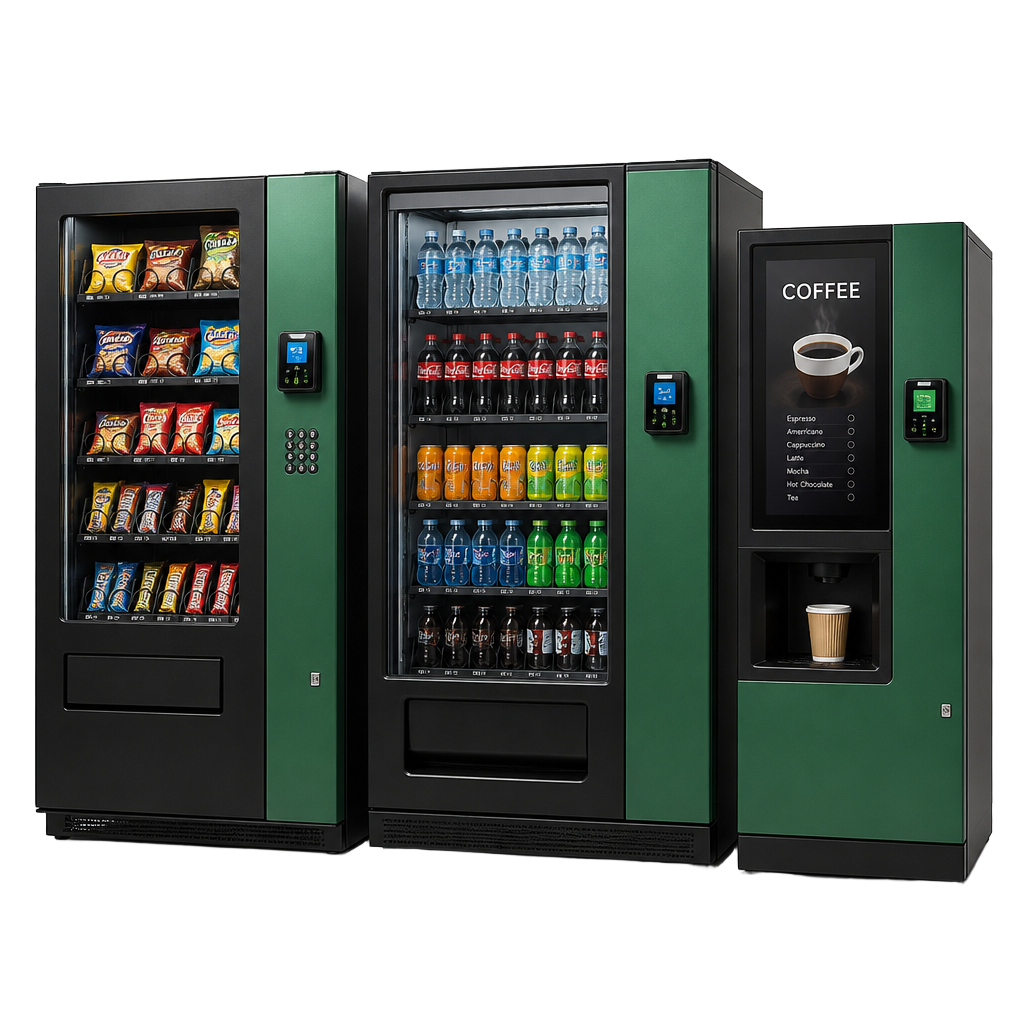
A vending machine loan can help fund a machine purchase, with repayments made under an agreement approved by the lender. Before applying, compare the total cost with leasing, rental and rent-to-own, and check that your proposed site can support repayments and operating expenses.
Start with the machine and the site
Choose the equipment around the location, rather than buying a machine first and searching for somewhere to put it. A workplace, apartment building, gym or industrial site may have different opening hours, customer preferences and access requirements.
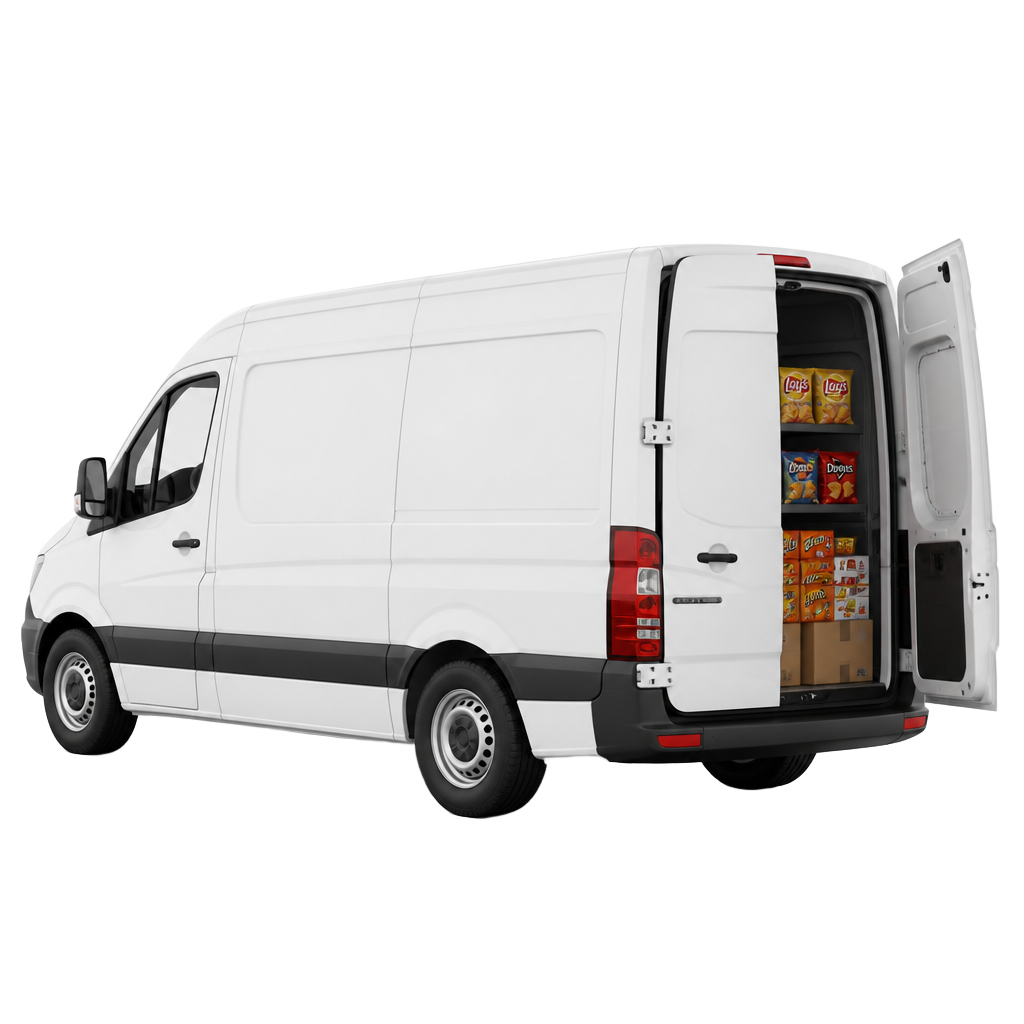
Ask who uses the site, when they are present and whether competing food or drink options are nearby. Check power availability, mobile reception for the card reader, doorway dimensions and the delivery route. Confirm that you can access the machine for restocking, cleaning and repairs.
A promising location is not guaranteed income. Build your budget around realistic sales assumptions, including quiet periods and the possibility that placement does not continue.
Understand what a vending machine loan covers
A loan generally provides funding towards the purchase, while the finance agreement sets out repayments, fees, security requirements and any final payment. Ownership and the lender’s rights over the equipment depend on the agreement, so confirm these before signing.
Ask whether the proposed funding can include delivery, installation, a card reader and other setup costs. Some expenses may need to be paid from your own funds. If you are purchasing several machines, request an itemised supplier quote rather than a single package price.
For used equipment, check its age, condition, service history and parts availability. Ask the lender whether there are equipment eligibility requirements before paying a non-refundable supplier deposit.
Compare loans, leases, rental and rent-to-own
The right arrangement depends on how long you expect to operate the machine, your available cash and whether you want ownership.
- Loan: compare upfront contributions, repayments, fees, security and any final payment.
- Lease: check who owns the machine, your maintenance obligations and what happens when the term ends.
- Rental: confirm the minimum term, included services, cancellation conditions and whether equipment can be changed.
- Rent-to-own: check the complete payment schedule, ownership transfer conditions and consequences of missed payments.
Product names do not tell you everything. Read the actual agreement and compare options over the same intended operating period. A smaller regular payment can still come with a longer commitment, extra charges or a substantial amount payable at the end.
Calculate the full setup cost
The supplier’s machine price is only one part of your startup budget. Get written quotes for the items needed to have the machine delivered, working and stocked.
Allow for:
- Freight, unloading equipment and installation.
- A card reader, activation, connectivity and payment processing charges.
- Initial stock, spare parts and cleaning supplies.
- Site preparation, electrical work and signage where required.
- Insurance and any site deposit or upfront placement fee.
- Accounting, legal review or other professional assistance.
Confirm whether quoted amounts include GST and whether recurring charges are billed separately. Ask your accountant about GST, deductions and the tax treatment of each arrangement; do not assume that a loan, lease or rental will produce a particular tax outcome.
Test cash flow before choosing repayments
Prepare a monthly cash-flow forecast using the money you expect to receive after refunds and payment processing charges. Then deduct stock purchases, site fees or commissions, transport, insurance, connectivity, maintenance and repayments.
Include the cost of your time, even if you initially handle restocking yourself. Travel between scattered sites can make an apparently profitable machine less attractive.
Test a quieter sales scenario and a period of downtime. Could you still cover repayments if the machine needs repairs or the site temporarily closes? Keep working capital separate from your equipment budget so that purchasing the machine does not leave you unable to buy stock. Match repayment timing to your expected cash receipts where the lender offers that flexibility.
Check card readers and operating systems
Cashless payments can be important for customer convenience, but the reader must work with your machine and payment provider. Ask the supplier to confirm compatibility in writing, particularly for older or refurbished equipment.
Compare hardware costs, ongoing service charges, transaction charges and settlement timing. Check whether reporting software costs extra and whether you can access sales, stock and fault information remotely.
Ask who provides support if payments fail: the machine supplier, reader provider or another service business. Find out whether changing providers requires replacement hardware or an exit fee. Reliable mobile coverage at the exact placement point matters, so test reception inside the building rather than relying only on an outdoor coverage map.
Put the placement agreement in writing
A site agreement should explain where the machine can operate, how long it can stay and what each party must do. Avoid relying on a verbal understanding when your finance commitment may continue for years.
Clarify:
- Rent or commission, how it is calculated and when it is paid.
- Electricity costs and access for servicing and restocking.
- Responsibility for damage, theft, complaints and insurance.
- Product restrictions, exclusivity and competing machines.
- Notice periods, relocation rights and removal obligations.
Check whether the site can terminate the arrangement before your finance term ends. If so, plan for transport, storage and finding another location. Obtain legal advice if the agreement includes unclear obligations or significant penalties.
Prepare information for a lender
Requirements vary, but being organised can help a lender assess your request. You may be asked for identification, business details, financial records, bank statements and an equipment quote. New operators may also need a business plan, cash-flow forecast and evidence of the proposed placement.
Be clear about your experience, existing machines and how the new equipment will be serviced. Explain any seasonal income or unusual transactions rather than leaving gaps in the information supplied.
Ask what credit checks are required, when they occur and what consent is needed. Providing documents does not guarantee an offer or approval. The lender decides whether to approve an application and on what terms.
Review the offer beyond the repayment
Before accepting an offer, request a written breakdown of the amount financed, repayment schedule, total amount payable, fees and any final payment. Check whether repayments or other charges can change during the term.
Ask about early payout costs, late payment charges, security over equipment and any personal guarantee. Understand what happens if the machine is stolen, damaged beyond repair or sold before the agreement ends.
If a residual or balloon payment applies, plan how you would fund it without assuming a particular resale value. Check the process for releasing security after payout. Have an accountant or solicitor review terms you do not understand, especially guarantees and end-of-term obligations.
How VendingFinance.com.au can help
VendingFinance.com.au is an Australian referral service, not a lender or broker. We refer vending operators to lenders for vending machine finance, loans, leases, rental and rent-to-own enquiries.
A referral is not an approval or a recommendation that a particular agreement suits your business. Availability, eligibility, costs and conditions depend on the lender and product. Keep your equipment quote, placement details and budget ready so you can ask specific questions when discussing available options.
Next steps
Get an itemised machine quote, confirm your site agreement and prepare a cash-flow forecast. Compare written terms, ask your accountant about tax treatment, and contact VendingFinance.com.au if you would like a referral to a lender.
Vending Finance is a referral service, not a lender or broker. Approval and terms are the lender's decision; ask your accountant about tax. Next: get a finance quote, rent-to-own or the suburb directory.